














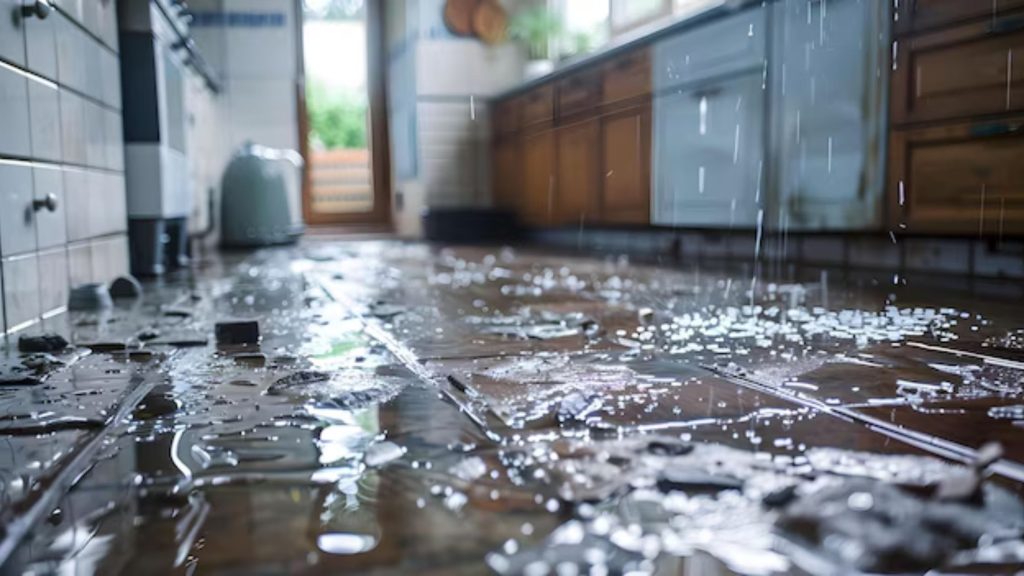
Dealing with an unexpected flood in the Air Capital can feel like a race against time as moisture quickly begins to compromise your property’s structure. Whether you are facing a basement flood after a Kansas thunderstorm or a burst pipe during a sudden freeze, understanding the technical cycle of water damage restoration wichita ks is vital for any homeowner. The unique climate of the Great Plains often brings intense humidity and rapid temperature shifts that can exacerbate moisture issues if they are not handled with professional precision. Restoration is not just about mopping up visible water; it is a complex scientific process involving advanced physics, moisture mapping, and structural stabilization. By acting quickly, you can protect your investment and ensure that your home remains a safe environment for your family.
How long does the water restoration process take?
The timeline for a typical Wichita water damage restoration process usually spans from three to five days for the mitigation phase, followed by any necessary reconstruction. However, this is heavily dependent on the “class” of the water intrusion, which refers to the evaporation rate and the types of materials affected. For instance, water that has saturated thick carpets and seeped into the subflooring will require more intensive drying than water on a non-porous surface like tile or concrete. Our local Kansas humidity levels also play a significant role, as high ambient moisture can slow down the rate at which structural wood releases trapped dampness.
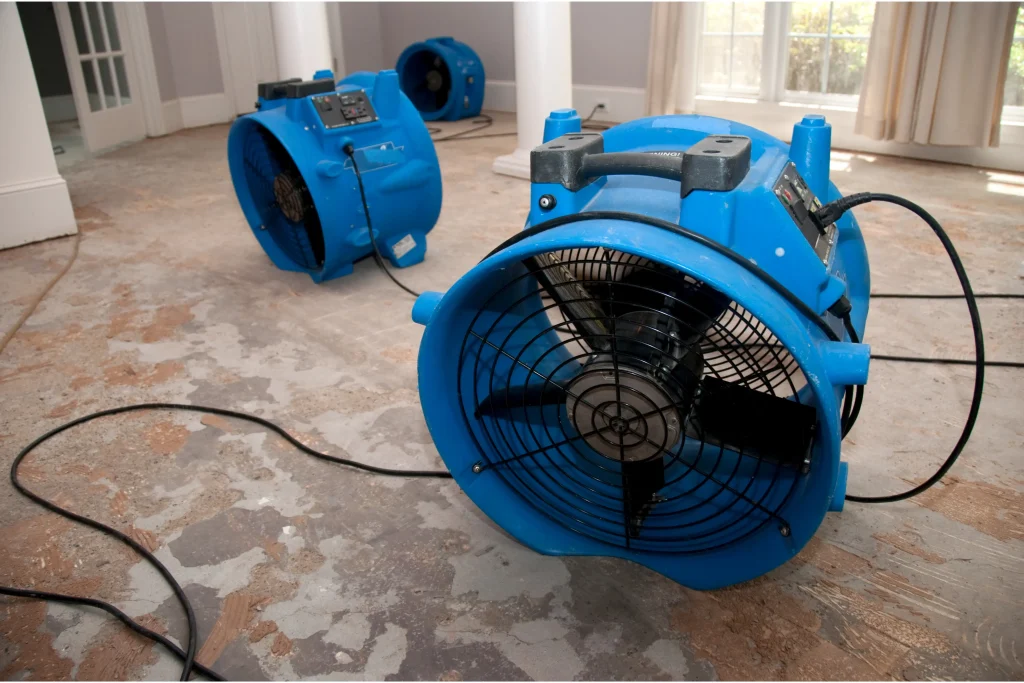
When you engage in water damage restoration wichita ks, the primary goal during the first twenty-four hours is to stabilize the environment and prevent secondary damage. Secondary damage often includes the warping of hardwood floors, the sagging of drywall, and most importantly, the onset of mold growth. Because mold spores can begin to colonize in as little as twenty-four to forty-eight hours, the speed of the initial extraction is the single most important factor in your recovery. A professional team uses high-velocity air movers and industrial-grade dehumidifiers to create a balanced drying environment that forces moisture out of porous building materials.
The Professional Restoration Steps KS Residents Should Expect
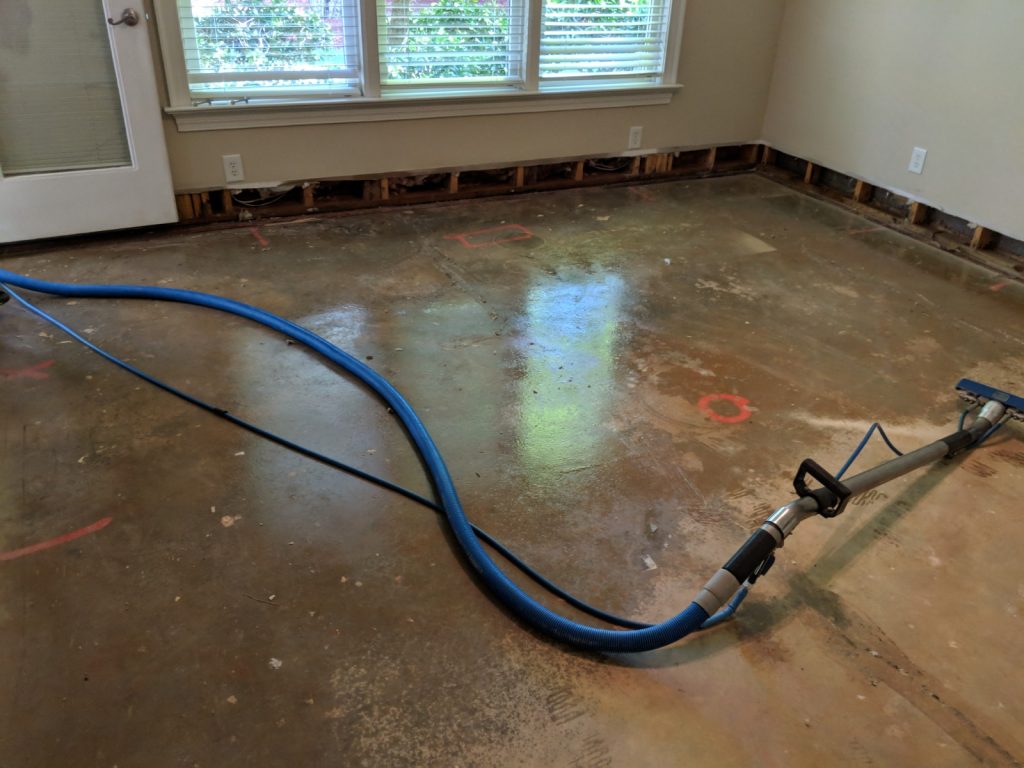
Every successful recovery follows a strict set of professional restoration steps KS technicians use to ensure no hidden moisture is left behind. The process begins with a comprehensive inspection using thermal imaging cameras and moisture meters to identify the full perimeter of the damage. Water often follows the path of least resistance, meaning it can travel along floor joists and behind wall cavities far from the original source. Once the area is mapped, the physical extraction begins using powerful submersible pumps and truck-mounted vacuum systems that can remove hundreds of gallons of water in a matter of minutes.
Following extraction, the focus shifts to the structural drying and dehumidification phase. This is where the science of psychrometry comes into play, as technicians monitor temperature and relative humidity to ensure the air is dry enough to pull moisture from the walls. During this stage, it is common to see specialized equipment like floor mat systems or “injectidry” machines that target specific areas like kitchen cabinets or specialty flooring. If you are currently dealing with a leak and need an expert to evaluate your property’s specific needs, you should contact us to get a detailed breakdown of the necessary steps for your home.
| Restoration Phase | Typical Equipment Used | Primary Objective |
| Emergency Assessment | Infrared Cameras / Moisture Probes | Determine the category and class of water loss. |
| Bulk Extraction | Truck-Mount Vacuums / Submersible Pumps | Remove standing water to prevent deep saturation. |
| Structural Drying | LGR Dehumidifiers / Axial Air Movers | Reduce humidity and evaporate trapped moisture. |
| Sanitization | HEPA Scrubbers / Antimicrobial Sprayers | Kill bacteria and prevent mold spore activation. |
| Monitoring | Psychrometric Logs | Verify that materials have reached “dry standard.” |
Master the Water Cleanup and Drying Wichita Requirements
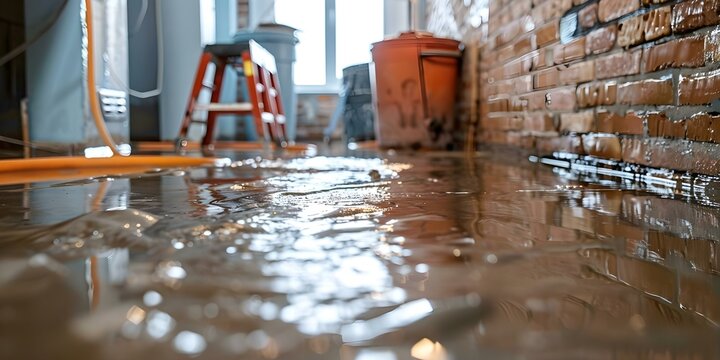
Effective water cleanup and drying Wichita requires more than just high-powered fans; it requires a deep understanding of local building materials and soil conditions. Many homes in Wichita feature basements that are susceptible to hydrostatic pressure during heavy rains, leading to foundation seepage. When groundwater enters a basement, it often brings with it silt and bacteria that require specialized cleaning agents. Simply drying the area without proper sanitization can leave behind odors and health hazards that can linger for years, making the “clean and treat” phase just as important as the drying phase itself.
The sanitization process involves applying EPA-approved antimicrobials to prevent the growth of fungi and bacteria. This is particularly critical if the water is classified as “Category 2” or “Category 3,” which includes water from dishwashers, washing machines, or outdoor flooding. These sources often contain bio-contaminants that can cause respiratory issues or skin irritation. By using professional-grade cleaners, technicians ensure that your living space is not just dry but hygienically safe. This thorough approach is what differentiates a professional restoration from a simple DIY cleanup, protecting both your property and your health.
Navigating the Reconstruction and Final Repairs
Once the structural materials have reached their dry standard, the final stage of restoration involves repairing the aesthetic and structural elements that were removed or damaged. This might include replacing segments of drywall, installing new baseboards, or laying down fresh carpeting. In many Wichita homes, the mitigation phase requires “flood cuts,” where the bottom twelve to twenty-four inches of drywall are removed to ensure the wall cavity is fully dry. While this can look alarming to a homeowner, it is a necessary step to prevent the “wicking” effect where moisture travels upward through the wall.
During the rebuild, it is essential to work with contractors who understand that the underlying structure must be completely dry before new materials are installed. Installing new wood or drywall over damp studs is a recipe for internal rot and mold. A reputable restoration partner will provide you with a “certificate of completion” and drying logs that prove the area was verified as dry before the first piece of new drywall was hung. This documentation is also invaluable for your insurance records, as it demonstrates that the loss was handled according to industry standards and that the home’s value has been preserved.
The Role of Insurance in Wichita Water Recovery
Most homeowners’ insurance policies in Kansas cover water damage that is sudden and accidental, such as a water heater failure or a frozen pipe burst. However, it is important to distinguish between “water damage” and “flood damage,” as the latter typically requires a separate policy through the National Flood Insurance Program (NFIP). When a loss occurs, your restoration team will work closely with your insurance adjuster to document the scope of work using standardized pricing software. This collaboration ensures that the claim is processed efficiently and that you receive the funds necessary to restore your home to its pre-loss condition.
To maximize your coverage, you should document the damage as soon as it is safe to enter the area. Take clear photos of the standing water, the source of the leak, and any damaged personal belongings like furniture or electronics. Keep a log of all communications with your insurance company and your restoration provider. Having a professional company that can provide moisture maps and detailed equipment logs will significantly speed up the approval process, as it provides the adjuster with the objective data they need to justify the cost of the professional drying and repair services.
Frequently Asked Questions
How long does it take for mold to grow after a leak?
Mold can begin to grow within 24 to 48 hours of moisture exposure. This is why immediate response is so critical in the Wichita area, especially during the humid summer months when the air already carries a high moisture load that favors fungal growth.
Can I stay in my home during the restoration?
In many cases, yes, you can stay in your home if the damage is localized. However, the industrial fans and dehumidifiers can be quite loud and generate a significant amount of heat. If the water was contaminated (Category 3), it is usually recommended to vacate until the area has been fully sanitized.
What is the difference between a Class 1 and a Class 4 water loss?
A Class 1 loss affects only a small area with low-permeability materials, while a Class 4 loss involves “specialty drying” situations, such as water trapped in hardwood floors, plaster walls, or crawl spaces that require very low humidity to dry effectively.
Will my homeowners’ insurance cover a sewage backup?
Standard policies sometimes exclude sewage backups unless you have a specific “sewer and drain” endorsement. It is important to check your policy or speak with your agent to ensure you have coverage for these types of high-hazard losses.
How do you know when the walls are truly dry?
Technicians use “dry standards” by comparing moisture readings from the damaged area to a known dry part of the house. Once the readings are within a few percentage points of the dry sample, the materials are considered stabilized and ready for reconstruction.
Conclusion
Recovering from a water-related disaster in Kansas requires a strategic approach that combines technical expertise with a rapid response. From the initial extraction of standing water to the final reconstruction of your living space, the goal of water damage restoration wichita ks is to ensure your home returns to a state of safety and comfort. By understanding the science behind structural drying and the importance of professional sanitization, you can navigate this challenging time with confidence. At Freshco, we are committed to providing the Wichita community with elite restoration services that prioritize property preservation and customer satisfaction. If you are facing an unexpected flood or leak, remember that the experts at Freshco have the tools and experience to guide you through every step of the recovery process, making your home feel like new again.