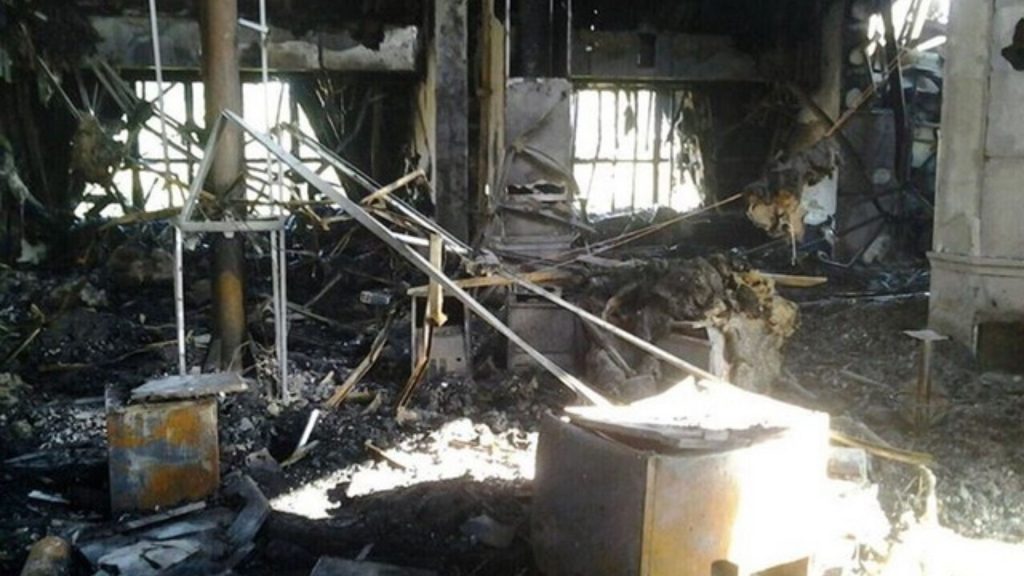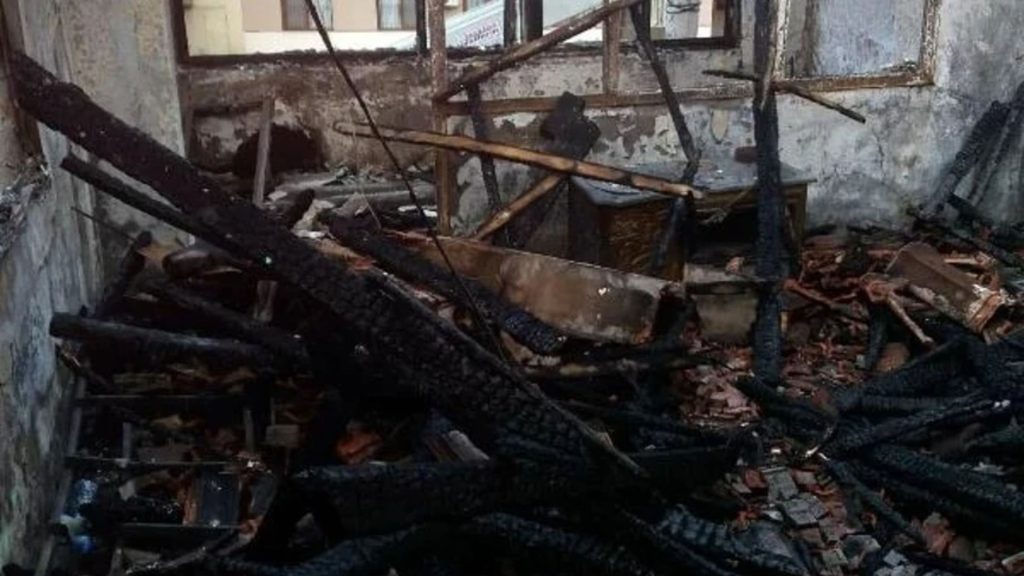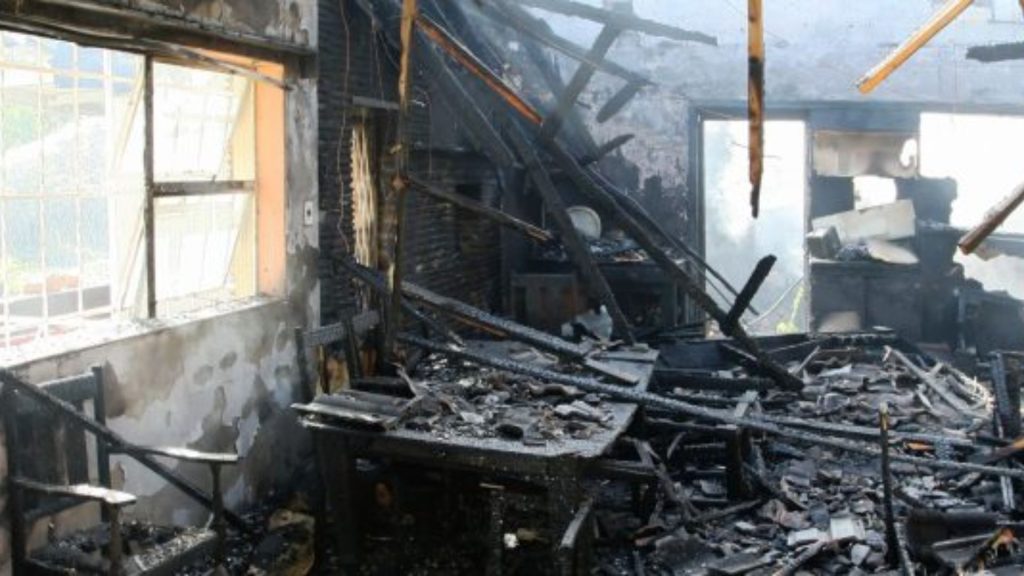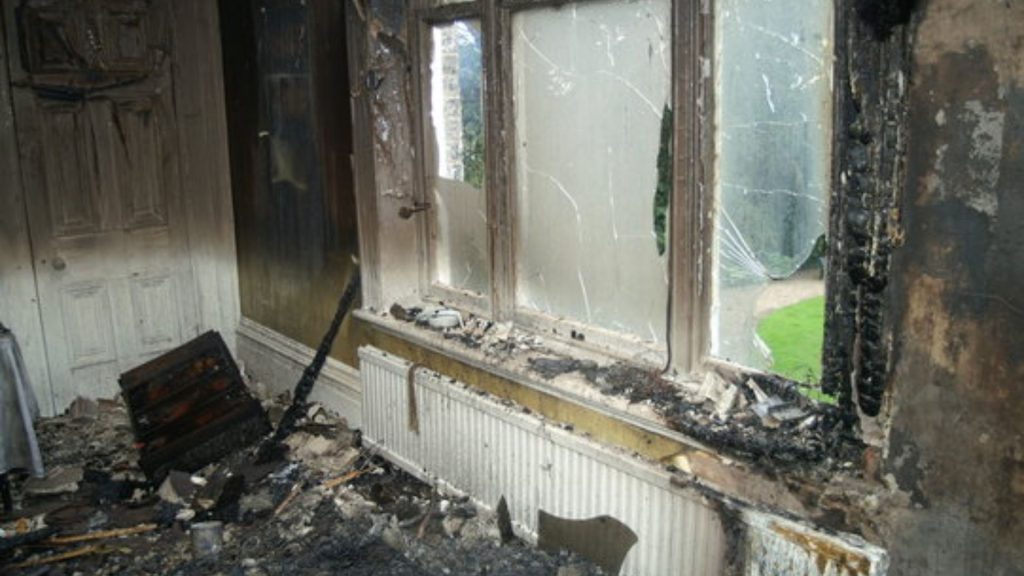















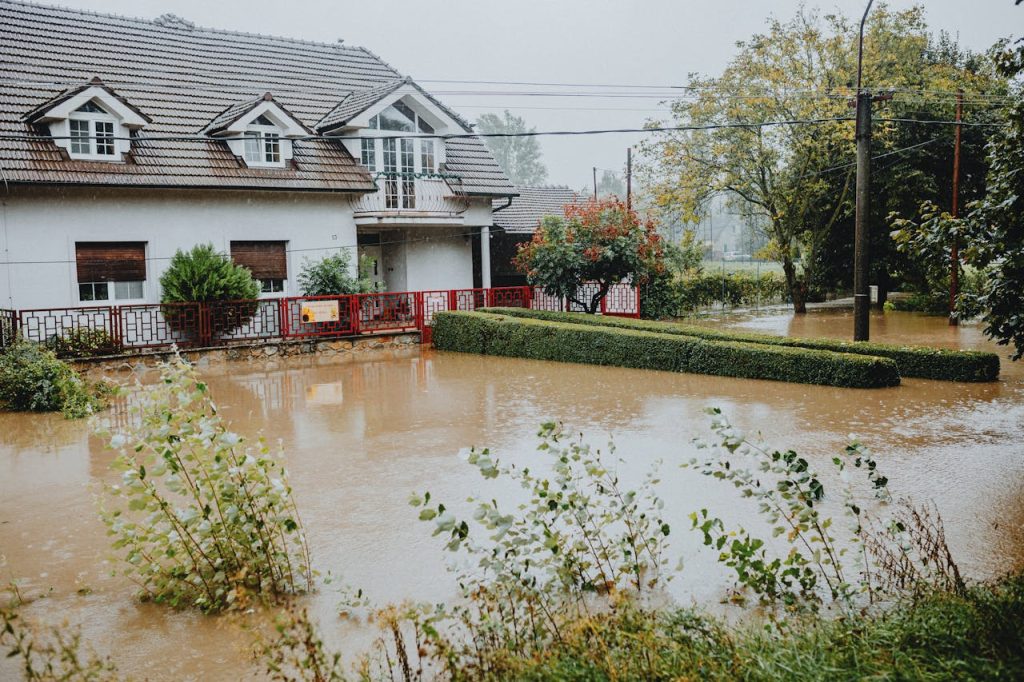
Facing a flood in your home or business can be a daunting experience. Water damage can wreak havoc on structures, furniture, and personal belongings. The key to minimizing damage and getting things back to normal is to act quickly and follow the right steps for flood restoration. Understanding the process helps you tackle each phase with confidence.
Hutchinson, KS, is no stranger to unpredictable weather that can lead to flooding. Whether it’s from a natural disaster or a burst pipe, floods require immediate attention. The sooner you start the restoration process, the better the chances of restoring your property to its original condition. This involves assessing the damage, taking immediate steps to control the situation, and employing effective restoration techniques.
In this guide, we’ll walk you through the essential steps for successful flood restoration. Each phase is crucial to ensure a complete and efficient recovery. Following these steps will help you manage the restoration process more effectively and return your space to a safe and livable condition.
Assessing the Damage from a Flood
Before starting any restoration work, it’s crucial to assess the extent of the damage. This helps you understand what needs to be done and prioritize tasks. Here are some important steps to follow:
1. Inspect the Structure: Check all areas of your home or business, including walls, floors, ceilings, and the foundation. Look for signs of water damage such as discoloration, warping, and cracks. Make note of any structural issues that need immediate attention.
2. Check for Mold: Mold can start growing within 24 to 48 hours after a flood. Look for visible signs of mold on walls, floors, and furniture. Mold can cause health problems, so identifying and addressing it quickly is important.
3. Assess Electrical Systems: Water can damage electrical wiring and appliances. Turn off the electricity before inspecting any electrical components to avoid the risk of shock. If you see any damage, consult a professional electrician.
4. Evaluate Personal Belongings: Take stock of items that have been affected by the flood. This includes furniture, electronics, clothing, and important documents. Decide what can be salvaged and what needs to be discarded.
5. Document Everything: Take photos and videos of the damage. This documentation is essential for insurance claims. Be as detailed as possible, capturing images of all affected areas and items.
Initial Steps to Take for Flood Restoration
Once you’ve assessed the damage, it’s time to take immediate steps to start the restoration process. Acting quickly can help minimize damage and speed up recovery.
1. Ensure Safety: The first priority is safety. Ensure that everyone is out of harm’s way. Avoid walking through floodwater, as it may be contaminated or electrically charged.
2. Stop the Water Source: If the flood is due to a burst pipe or other internal issue, locate and stop the source of water. Turn off the main water supply to prevent further flooding.
3. Remove Standing Water: Begin removing standing water using buckets, wet/dry vacuums, or pumps. The faster you remove the water, the less damage it will cause to your property.
4. Dry the Area: Use fans, dehumidifiers, and open windows to start drying out the space. Proper ventilation helps reduce moisture and prevents mold growth.
5. Dispose of Damaged Items: Remove and dispose of items that can’t be salvaged, such as soaked carpets, damaged furniture, and contaminated materials. This helps clear the area for further restoration work.
6. Clean and Disinfect: Clean all affected surfaces with soap and water, and then use a disinfectant to kill bacteria and prevent mold. Pay extra attention to areas that may have come into contact with contaminated water.
7. Contact Your Insurance Company: Notify your insurance provider about the flood. Provide them with the documentation you gathered during the assessment. Follow their guidance on filing a claim and any required procedures.
Taking these initial steps sets the stage for a successful flood restoration process. Acting quickly and efficiently can help mitigate damage and protect your home or business from further harm.
Key Techniques for Effective Flood Restoration
Using the right techniques is essential for successful flood restoration. These methods ensure that your home or business is thoroughly cleaned and restored.
1. Water Extraction: Efficient water removal is crucial. Professionals use high-powered pumps and wet/dry vacuums to extract standing water quickly. This prevents further damage and reduces the risk of mold growth.
2. Drying and Dehumidifying: Once the water is removed, the drying process begins. Industrial fans and dehumidifiers are used to eliminate moisture from walls, floors, and other surfaces. Proper drying helps prevent mold and structural damage.
3. Cleaning and Sanitizing: Floodwater can carry contaminants. Thorough cleaning and sanitizing are necessary to ensure a safe environment. Use cleaning agents to scrub away dirt and grime, followed by disinfectants to kill bacteria and germs.
4. Mold Remediation: If mold is present, it must be addressed immediately. Professionals use specialized equipment to remove mold growth and apply antimicrobial treatments to prevent future outbreaks.
5. Repair and Restoration: Repairing and restoring damaged areas is the final step. This may involve replacing drywall, flooring, and other materials that were damaged by the flood. The goal is to return the property to its pre-flood condition.
Choosing Professional Flood Restoration Services
Selecting the right flood restoration service is key to effective recovery. Here are some tips to help you choose the best professionals for your needs:
1. Experience and Expertise: Look for companies with a proven track record in flood restoration. Experienced professionals are better equipped to handle complex situations and provide efficient solutions.
2. Licensed and Insured: Ensure the company is licensed and insured. This protects you from liability and ensures that the services provided meet industry standards.
3. Positive Reviews and References: Check online reviews and ask for references. Previous customers can provide insights into the company’s quality of work and customer service.
4. 24/7 Emergency Services: Floods can happen at any time. Choose a company that offers round-the-clock emergency services, so they can respond quickly to minimize damage.
5. Detailed Estimates: Request a detailed written estimate that outlines the scope of work and costs involved. This helps you understand what to expect and avoid unexpected expenses.
6. Communication and Customer Service: Good communication is key. Select a company that keeps you informed throughout the restoration process and provides excellent customer service.
Conclusion
Flood restoration is a critical process that requires immediate action and professional expertise. Assessing the damage, taking initial steps, employing effective techniques, and choosing the right professionals are essential steps for a successful recovery. Each step plays a vital role in ensuring that your home or business is restored to a safe and livable condition.
If you’re facing flood damage in Hutchinson, KS, don’t wait to seek help. FreshCo offers reliable flood restoration services to get your property back to its original state. Contact FreshCo today to learn more about how we can assist you in your time of need.