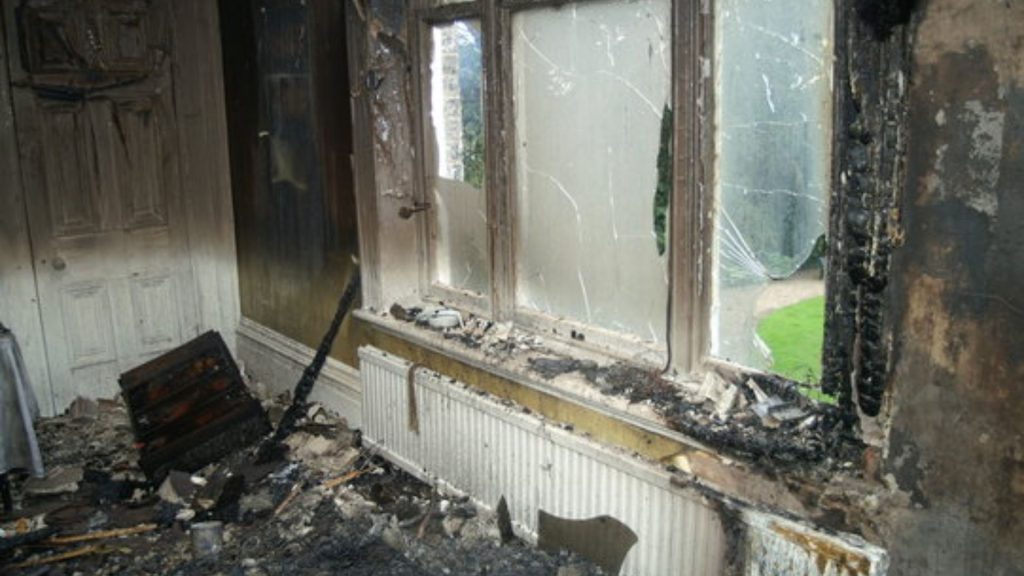
















Derby homeowners know spring can bring more than just blooming flowers and warmer days. When heavy rain mixes with saturated soil and rising rivers, it doesn’t take long before water creeps into places it shouldn’t be. For some households, this might mean a wet basement. For others, it triggers full-blown flood damage that affects floors, walls, furniture, and peace of mind.
Spring flooding in Kansas tends to move fast and can hit hard. And if a home isn’t prepared, even a moderate storm can lead to weeks of cleanup and costly repairs. That’s why it’s important for homeowners in Derby to understand what causes flooding, how to prepare for it, and what to do if water does get inside the home. Acting early takes the pressure out of a stressful situation, and knowing the right steps keeps damage from getting worse.
Common Causes Of Spring Flooding In Derby
Flood damage looks different from one home to the next, but the reasons behind it tend to be the same. Here’s a closer look at some of the big players behind springtime flooding in Derby:
– Heavy Rainfall
Spring storms often deliver large amounts of rain in a short period of time. When the ground is already wet or frozen from late winter, water sits on the surface rather than soaking in. That extra water has to go somewhere and unfortunately, it sometimes finds its way into basements and crawlspaces.
– Melting Snow
That leftover snow from March may seem harmless, but when it melts alongside spring rains, it adds more volume than your drainage setup can handle. This combo often causes runoff and pooling near foundations.
– Poor Drainage Systems
If your yard slopes toward your house or if your gutters are clogged, water can’t move away from your home fast enough. Grading issues, old gutters, and even crushed downspouts turn into bigger problems during spring showers.
– Overflowing Creeks and Rivers
Neighborhoods near waterways have their own worries. Rising creeks and rivers can quickly spill their banks, and nearby homes may experience water creeping through yards, garages, or foundations, even if rain didn’t fall directly overhead.
Knowing the source is half the battle. Once you can spot where floodwater might come from, you’ll be better equipped to guard your space when the next storm rolls through.
Preventative Measures To Reduce Spring Flooding Risk
Getting ahead of flood damage takes some planning. The right steps can make a big difference when spring weather shows up uninvited. Here are four smart ways Derby homeowners can lower the chance of flooding:
1. Keep Gutters and Downspouts Clear
A simple leaf clog can send gallons of water splashing down the wrong path. Cleaning gutters in early spring and again mid-season helps make sure water flows away from the house. Make sure downspouts direct water at least 4 to 6 feet away from your foundation.
2. Regrade Your Landscape if Needed
Water should always flow away from your home. If your yard tilts the wrong way, even slightly, it may need regrading to improve how water drains after heavy rain. Mulch beds and sidewalks shouldn’t trap water next to the home.
3. Install a Sump Pump and Backflow Valve
A sump pump in the basement or crawlspace prevents water from pooling during storms. Backup battery options are worth looking into in case of power outages. A backflow valve can also help stop sewer water from entering your home when the system is overwhelmed.
4. Seal Foundation Cracks and Openings
Water can slip through even small cracks. Sealing gaps in your basement walls or foundation helps prevent leaks. Check windows, pipes, and floor joints for signs of potential trouble.
Taking these steps doesn’t stop rain from falling, but it gives your home a better shot at staying dry no matter what the weather does. It also saves you from last-minute scrambles when the forecast turns stormy.
Immediate Steps To Take When Facing Flood Damage
Dealing with the aftermath of a flood is never easy, but knowing the right steps to take can ease the stress significantly. When floodwaters invade your home, the safety of you and your family is a top priority. Always be ready to evacuate if conditions become too dangerous. It’s better to be safe and let the professionals handle the situation.
Once everyone’s safe, switch off electricity and gas supplies. These should be your first moves upon discovering flood damage, as water and electricity can create serious hazards. Next up, document everything. Having a record of the damage with clear photos and videos will be crucial if you need to file an insurance claim.
When it’s time to tackle the damage, remember this isn’t a battle you need to fight alone. Getting professional help ensures that your home is not only thoroughly dried out but also free from long-term issues like mold, which can silently begin to grow even if floodwater is removed.
Long-Term Solutions To Mitigate Future Flooding
Protecting your home from future floods means thinking long-term and making some changes that could pay off when storms roll around. Consider putting key appliances or utilities in elevated positions. For example, relocating that ever-important HVAC unit to an upper floor or building a small platform for it can prevent costly damage if your basement or ground floor floods again.
Flood barriers and shields are also smart investments, blocking water from getting into vulnerable areas like doors and basement windows. Improving your home’s overall drainage system makes a big difference too. Think about installing French drains, updating old systems, or extending downspouts to lead water far from your foundation.
Another effective approach is waterproofing basements and crawlspaces with specialized sealants. This can turn what used to be a vulnerable part of your home into a stronghold against incoming water, helping to keep everything nice and dry no matter the season.
How to Stay Ready and Protect What Matters
Spring floods can do a number on any home, but taking the initiative means you’re always one step ahead. The importance of proactive measures like those mentioned cannot be overlooked. It’s not just about getting through the current season but preparing for whatever storms the future brings too. By addressing your home’s weak spots now, you’re minimizing damage and saving yourself a lot of trouble down the road.
There’s a lot of peace in knowing your home is ready for anything. Whether it’s making adjustments to your yard or letting a trusted team step in after damage happens, knowing where to turn matters. With a little planning and the right help, your Derby home can stay safe, dry, and protected.
When unpredictable spring storms lead to flood damage in your Derby home, having a trusted partner in restoration can make all the difference. FreshCo offers comprehensive solutions to help you recover quickly and effectively. Learn how our team can support your home and handle every step of your flood damage recovery.