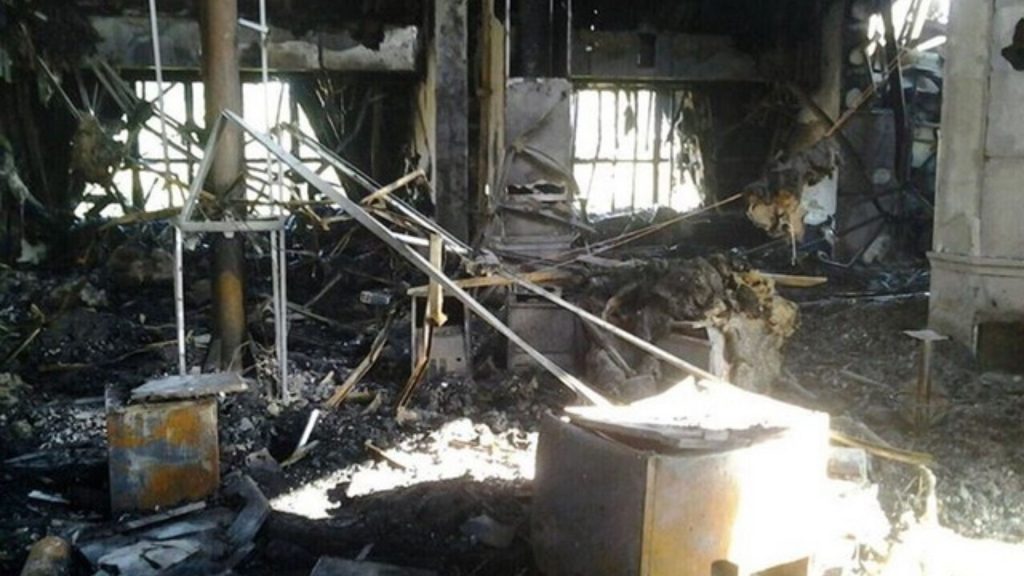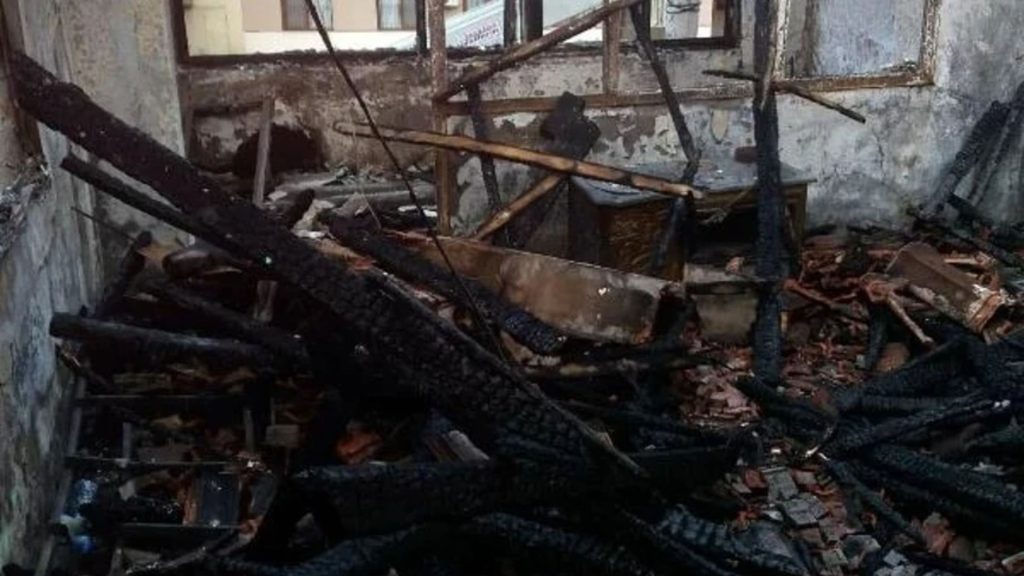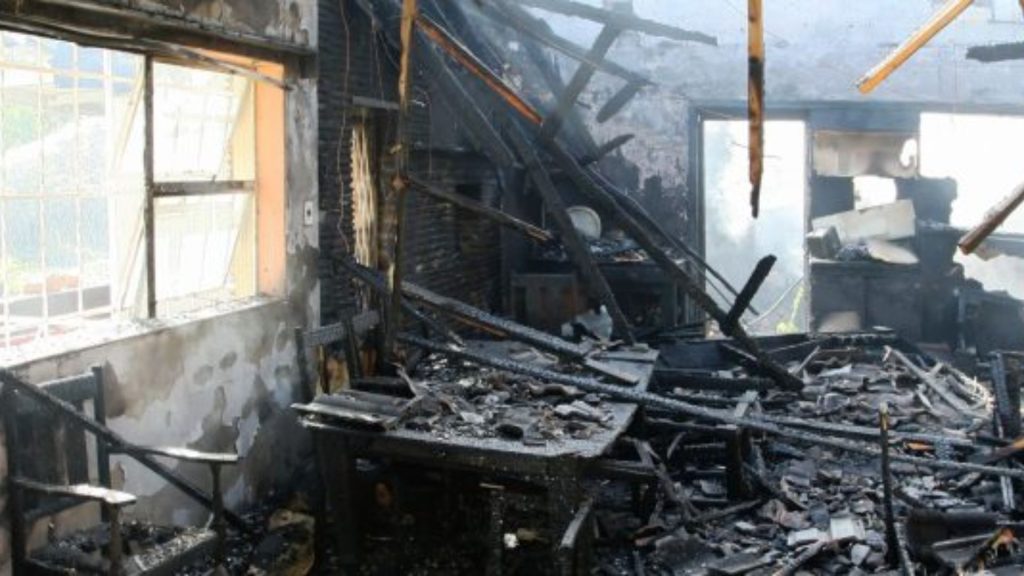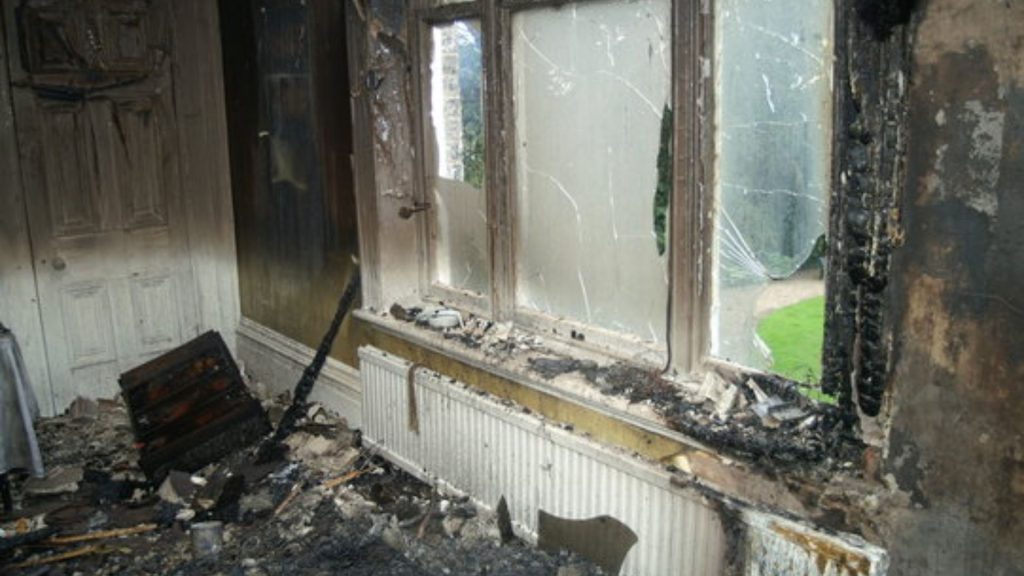















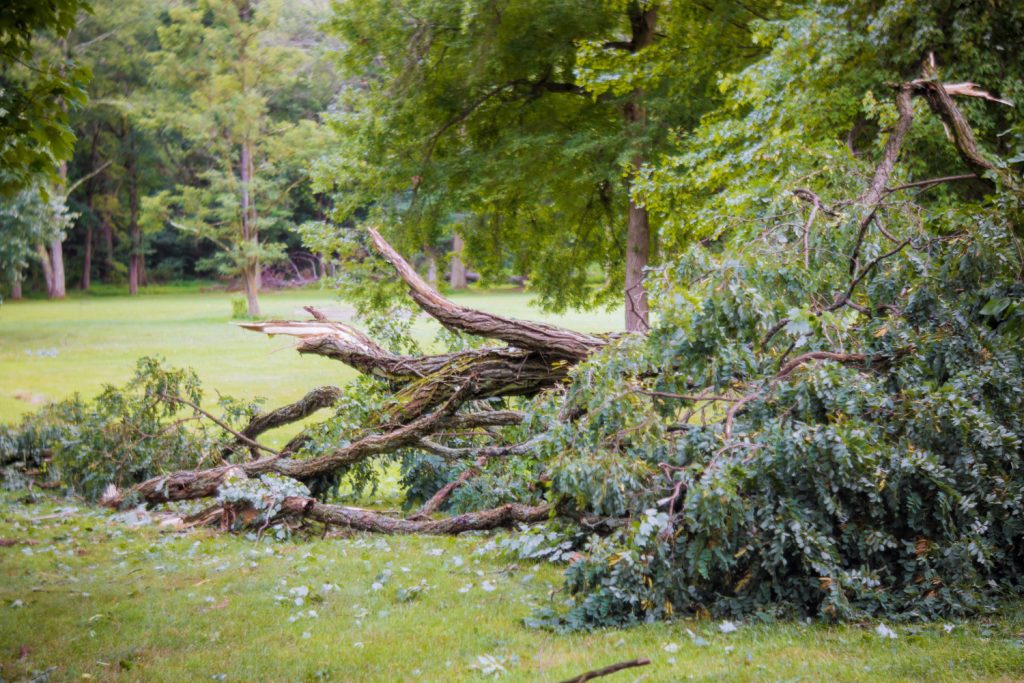
When a storm rolls through, it can leave behind a trail of chaos, especially if a tree decides to make an unplanned entrance onto your property. Properly handling the aftermath goes beyond just picking up branches; it’s about ensuring your home is safe from potential further damage. Not addressing debris correctly could lead to more headaches down the road, from safety hazards to unwanted critters making a home in the debris.
Imagine stepping into your yard and seeing the once majestic tree sprawled across your driveway or resting perilously close to your house. This visual alone highlights the kind of challenges residents of Maize might face following a storm. The unexpectedness of these scenarios emphasizes the importance of knowing what steps to take next.
Assessing the Damage
Before you jump into action, the priority is to understand the extent of the damage safely. Walking into the affected area without a plan can pose risks. You might think it’s just a few fallen branches, but hidden dangers lurk, like compromised limbs still clinging to the tree, ready to collapse at any moment. Here’s a quick guide to safely assessing the situation:
– Stay at a Safe Distance: Initially assess the situation from afar. Look for visible hazards like power lines entangled with branches or leaning trees that haven’t completely fallen.
– Check for Structural Damage: If the tree is resting on a part of your house, you’ll want to inspect for cracks or other structural damage. This kind of damage can be more severe than it appears and might require professional evaluation.
– Inspect Surrounding Areas: Don’t forget to look at fences, sheds, or garden features that might have been impacted.
– Document the Damage: Take photos or videos. This documentation can be handy for insurance claims.
It’s important to take corrective steps immediately to ensure safety. This means temporarily blocking off the area to keep pets and kids clear, reaching out for professional help where needed, and planning the cleanup. Prioritizing safety and understanding the full scale of the damage forms the foundation for effective cleanup strategies.
Proper Debris Removal Steps
Once you’ve assessed the storm’s impact, knowing how to safely remove debris is your next step. This task isn’t just about tidying up; it’s about ensuring everyone involved remains safe throughout the process. Follow these steps to tackle the mess:
– Gather the Right Tools: Start by assembling the necessary equipment. Tools like chainsaws, axes, and loppers will help tackle different debris sizes. If you’re unfamiliar with these tools, consider having a professional handle the task to avoid accidents.
– Wear Protective Gear: Safeguard yourself with gloves, safety goggles, and sturdy boots. These basics can shield you from splinters, sharp edges, and any mishaps that might occur.
– Clear Small Debris First: Begin with smaller branches and twigs. Clearing these can make larger tasks more manageable and may prevent tripping when focusing on more substantial pieces.
– Tackle Large Sections: For larger sections of the tree, ensure you have a stable footing before cutting. Approach from a safe angle to avoid any falling pieces or sudden shifts in weight.
– Dispose of Debris Properly: Check local guidelines on disposing of organic waste. This could mean setting aside wood for recycling or using parts as mulch, contributing to a sustainable cleanup.
Careful removal isn’t just about debris; it’s about protecting the integrity of your property and those working on it. If the task seems beyond your capacity, bringing in specialized services can guarantee a thorough and safe operation.
Preventing Further Damage
While you’re deep in the cleanup process, it’s wise to consider measures that prevent additional damage either during the current storm or future ones. Implementing precautions now can save you headaches and costs later.
– Secure Loose Items: Any remaining unstable trees or large branches should be supported or removed to prevent them from causing more chaos. Look into professional advice or services if these tasks seem risky.
– Check for Hidden Damage: Post-cleanup, inspect your property for any unseen issues that might worsen when the next storm hits. This could include roof inspections or checking if gutters are free of debris.
– Strengthen Vulnerable Areas: If a particular section of your property bore the brunt of the storm, consider reinforcing it. This could mean adding support beams or ensuring landscaping properly channels water away.
One example might be securing a portion of a fence temporarily repaired with a few nails and wire. Make sure it’s solid enough not to collapse under more bad weather. This proactive mindset can transform the way your property withstands future events.
Why Hire Professionals for Storm Damage Cleanup
Given the potential hazards and the expertise required, there’s much to be said for engaging professionals in storm damage cleanup.
– Expertise and Safety: Professionals are trained to handle these situations safely, using equipment that amateurs might not have access to. Their methods are tried and tested, ensuring a thorough cleanup.
– Efficient and Comprehensive: With specialized tools and teams experienced in handling various complications, professionals can expedite what might otherwise be a drawn-out process.
Bringing in experienced folks guarantees a meticulous job that cares for both the safety of your family and the preservation of your property. With their skills, you gain peace of mind knowing that everything is handled properly.
Restoring Your Property
After the chaos of tree removal and storm cleanup, the focus shifts to restoring your property. This next phase is about not just fixing what’s broken, but ensuring your space regains its former glory.
– Repair Structural Damage: Address any immediate concerns such as damaged roofs, cracked windows, or broken fences. Prioritize these fixes to avoid worsening conditions.
– Landscape Recovery: Once debris is cleared, assess how landscaping can be improved or repaired. Replant trees with an eye for hardier species or designs that might withstand future adverse weather.
Restoration isn’t just about repairing damage. It’s about taking the opportunity to fortify and enhance your property for the future. When done right, a restored property doesn’t just recover; it thrives.
Finish your storm cleanup with the help of professionals who ensure your property is safe and secure. Learn how FreshCo can support you with dependable storm damage cleanup so you can focus on getting things back to normal.