














Background
In 2025, an industrial manufacturing facility began a renovation project to upgrade aging infrastructure. Because the building was constructed during a time when asbestos-containing materials (ACMs) were common, certain areas contained legacy ACMs. A demolition contractor was hired to begin initial removal work without conducting a proper asbestos survey.
Incident Overview
Shortly after demolition began, workers noticed visible dust and an unusual musty odor. Investigation revealed that asbestos floor tile and mastic had been disturbed during grinding. Without a certified inspection, ACMs were unknowingly impacted, resulting in the release of airborne asbestos fibers.
This incident created an immediate exposure risk, requiring urgent commercial asbestos removal intervention.
Immediate Response
Area Isolation and Evacuation
Upon confirming the asbestos release:
- Non-essential personnel were evacuated.
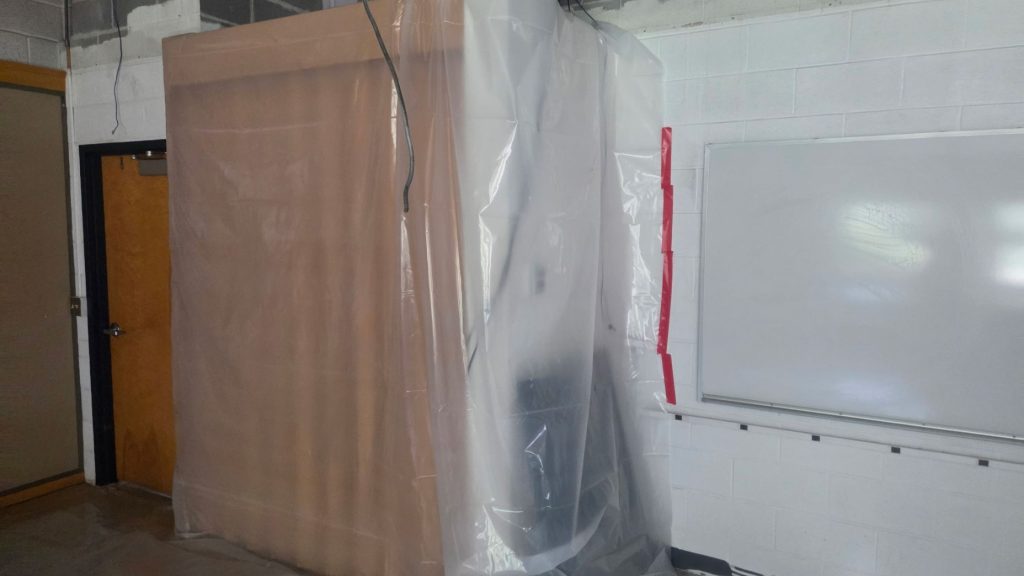
- The area was sealed off with containment barriers and warning signage.
- The HVAC system was shut down to prevent further spread.
Regulatory Notification
The Environmental Health and Safety (EHS) team:
- Notified potentially exposed workers.
- Updated building occupants.
- Initiated required regulatory reporting.
Mobilization of Licensed Professionals
Freshco’s licensed asbestos abatement team was deployed to manage the emergency response. Only accredited workers were permitted inside the regulated area.
Assessment and Containment
Initial Site Assessment
Freshco’s abatement specialists:
- Conducted air and surface sampling.
- Identified impacted materials.
- Determine the extent of contamination.
Containment Setup
To safely manage the release:
- Full containment barriers were installed using heavy-duty plastic.
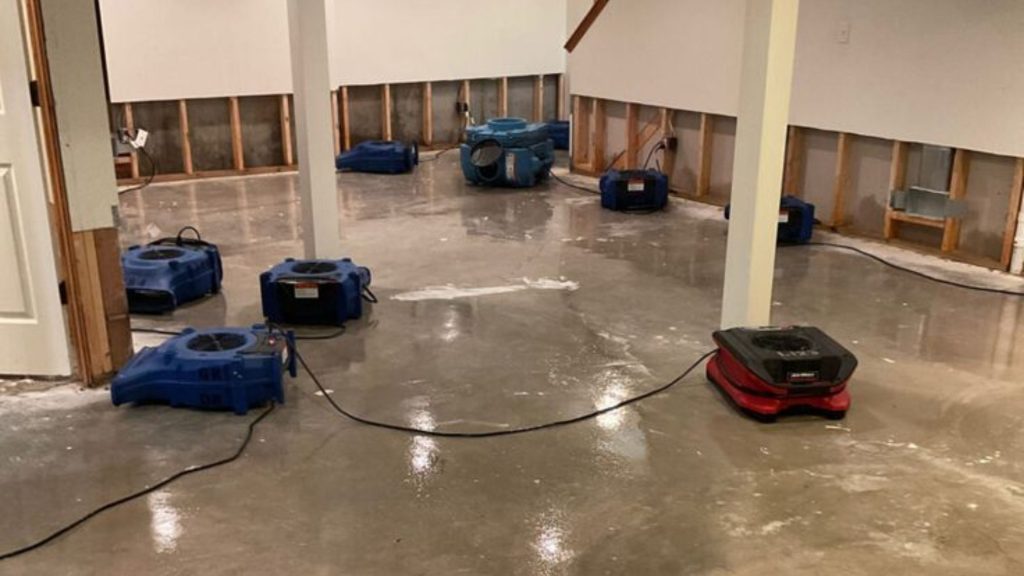
- The area was placed under negative pressure using HEPA-filtered air machines.
- Worker decontamination units were positioned at entry/exit locations.
- Personnel wore full PPE, including disposable suits and full-face HEPA respirators.
Remediation Procedures
Cleaning and Removal
Freshco followed industry-standard emergency abatement protocols:
- All debris was wetted with surfactant-treated water to minimize fiber release.
- Surfaces were cleaned using HEPA-rated vacuum systems.
- All contaminated materials were double-bagged, labeled, and transported to a licensed hazardous waste facility
Air Monitoring & Clearance Testing
- Continuous air monitoring confirmed safe fiber levels during cleanup.
- Independent clearance sampling verified that air quality met regulatory standards before re-entry.
Worker Protection & Health Monitoring
Workers who may have been exposed were:
- Enrolled in medical monitoring programs.
- Provided baseline and follow-up chest imaging and pulmonary tests.
- Educated about asbestos-related risks and long-term symptom awareness.
Documentation & Compliance
Incident Records
Freshco provided full documentation, including:
- Incident timeline and response actions.
- Lab results and sampling data.
- Exposure and medical monitoring records.
- Photographic evidence of containment and remediation.
Legal & Regulatory Compliance
All records were reviewed to meet regulatory and liability requirements.
Root Cause Analysis
Investigation determined the incident resulted from:
- Failure to perform a certified asbestos inspection.
- Lack of sampling of suspect materials.
- Insufficient review of historical building data.
This oversight led directly to the unplanned release of asbestos fibers.
Lessons Learned & Prevention
Strengthened Contractor Oversight
- Certified asbestos inspections are required before any renovation work.
- Contractors must demonstrate asbestos awareness training.
Enhanced Staff Training
- Facility personnel received additional asbestos awareness instruction.
- Clear reporting channels for suspected hazards were established.
Improved Inspection Protocols
- Comprehensive asbestos surveys became mandatory for future projects.
- All abatement plans must be reviewed and approved by the EHS department.
Conclusion
This emergency response demonstrates the importance of:
- Pre-demolition asbestos inspections.
- Rapid containment and professional commercial asbestos removal.
- Thorough documentation and worker health monitoring.
Freshco’s intervention ensured safe remediation, regulatory compliance, and uninterrupted facility operations moving forward.
Key Takeaways
- Conduct certified asbestos surveys before starting any renovation.
- Use licensed professionals for commercial asbestos removal, especially after unplanned disturbances.
- Maintain complete records for safety, compliance, and liability protection.
Contact Us – Freshco
For professional Commercial Asbestos Removal, emergency response, and safe remediation services:
- Phone: 6204728293
- Contact us page
Freshco is committed to delivering safe, compliant, and efficient asbestos removal solutions in commercial and industrial environments.