














Bathrooms are more than just functional spaces; they play a significant role in daily routines. A well-kept bathroom can add comfort and bring a sense of relaxation. However, this haven can quickly become a headache if water starts seeping into the walls. When overlooked, water damage can wreak havoc on bathroom walls, particularly on drywall, leading to costly repairs and renovations. Understanding the root causes and addressing the issue promptly is essential to maintaining a healthy home environment.
In Newton, bathroom renovations can sometimes result in unexpected situations like water damage to drywall. This typically happens due to plumbing mishaps, high humidity, or small leaks that go unnoticed over time. Recognizing these warning signals early and knowing how to tackle the situation can save homeowners a lot of trouble, ensuring your bathroom remains a beautiful and functional space.
Identifying the Extent of the Damage
Before starting repairs, it’s crucial to assess how much damage water has done to the drywall. Spotting the signs early is key to managing the issue effectively. Here are some common indicators that your drywall might be in trouble:
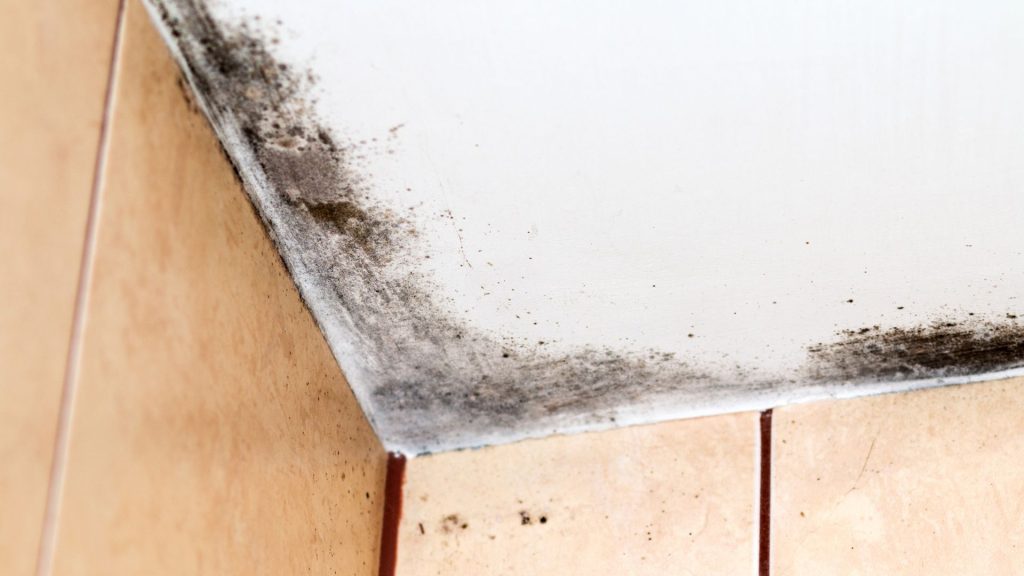
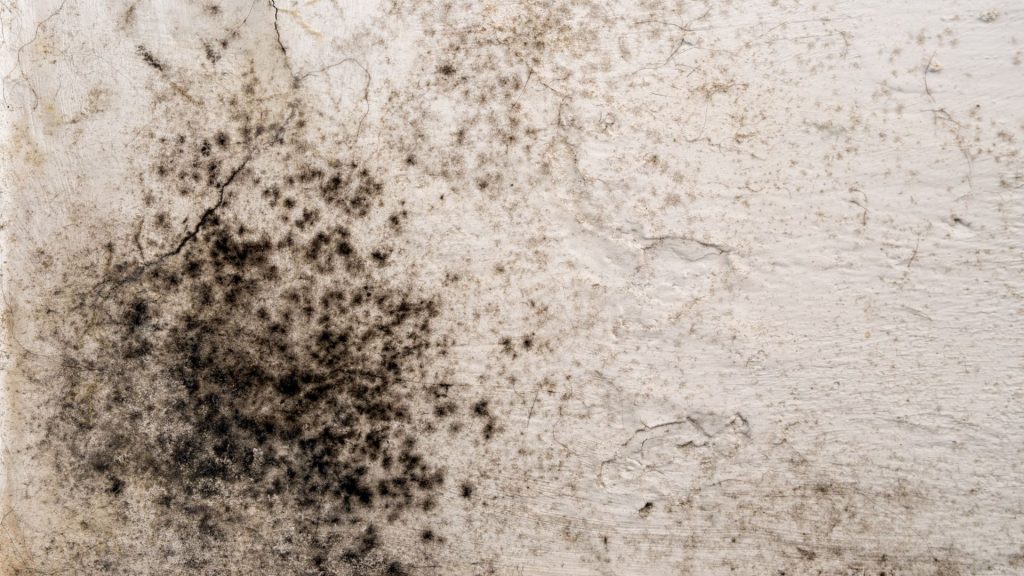
1. Stains and Discoloration: Brown spots or lines that slowly increase in size can signal water intrusion.
2. Soft or Bubbling Areas: Soft spots or places where the paint bubbles are sure signs that water has gotten under the surface.
3. Musty Odors: Unpleasant smells might mean moisture is trapped inside the walls, promoting mold growth.
Using the right tools can enhance the inspection process. Flashlights can illuminate darker areas and reveal discolorations not obvious at first glance. Moisture meters offer precise information about the water content in walls, alerting you to heavily affected spots. Sometimes, simply tapping on the drywall can tell you if it’s compromised – a solid surface will sound different than one that’s soggy or soft.
Identifying the problem areas makes planning the next steps clearer. Acting swiftly to fix the affected wall can prevent further damage and keep your home safe. Early detection helps minimize the need for extensive repairs and ensures your bathroom stays in great shape.
Immediate Actions to Reduce Further Damage
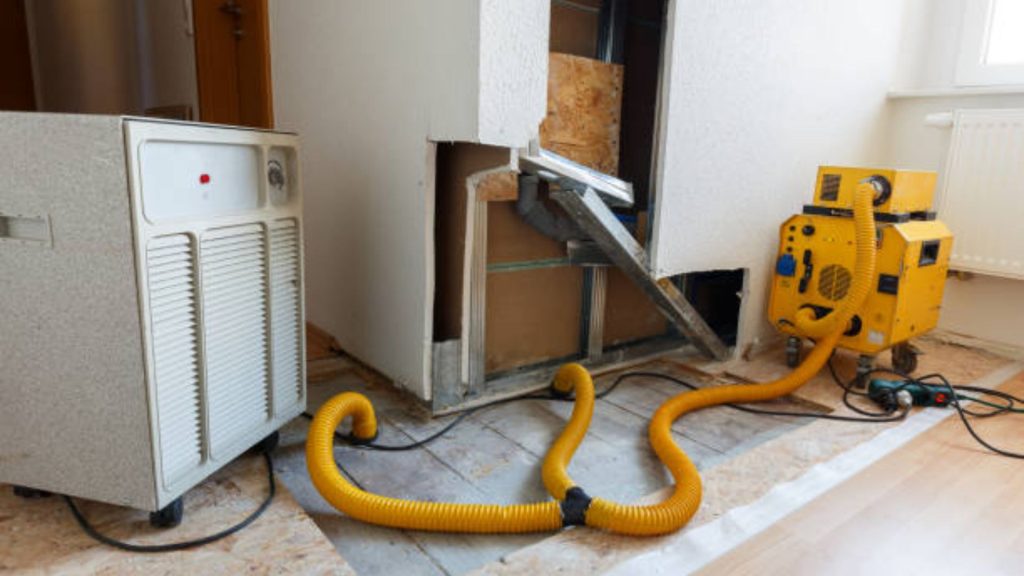
When you notice water damage on your bathroom walls, acting quickly is important to avoid more extensive issues. Start by shutting off any nearby water sources. This prevents more water from coming in and helps you focus on the areas already affected. Next, open windows or use fans to ventilate the bathroom, assisting in drying out the space and reducing moisture buildup.
Here are some steps you can take right away:
1. Shut Off Water Sources: If you suspect a leak, turning off the water can prevent it from getting worse.
2. Ventilate the Area: Open windows and use a fan to circulate air, helping to dry the area.
3. Remove Wet Materials: Take out any wet rugs or towels that might keep the moisture around.
4. Use Towels to Soak Up Water: Pat down the affected walls with towels to absorb excess water on the surface.
These simple tasks can help manage the situation until you can organize a more permanent solution. Acting swiftly ensures a higher success rate in salvaging the affected areas.
Repairing Water-Damaged Drywall
Repairing drywall after water damage involves a few steps and some tools to get the job done right. Here’s what you might need:
– Utility knife
– Drywall patches
– Joint compound
– Sanding block
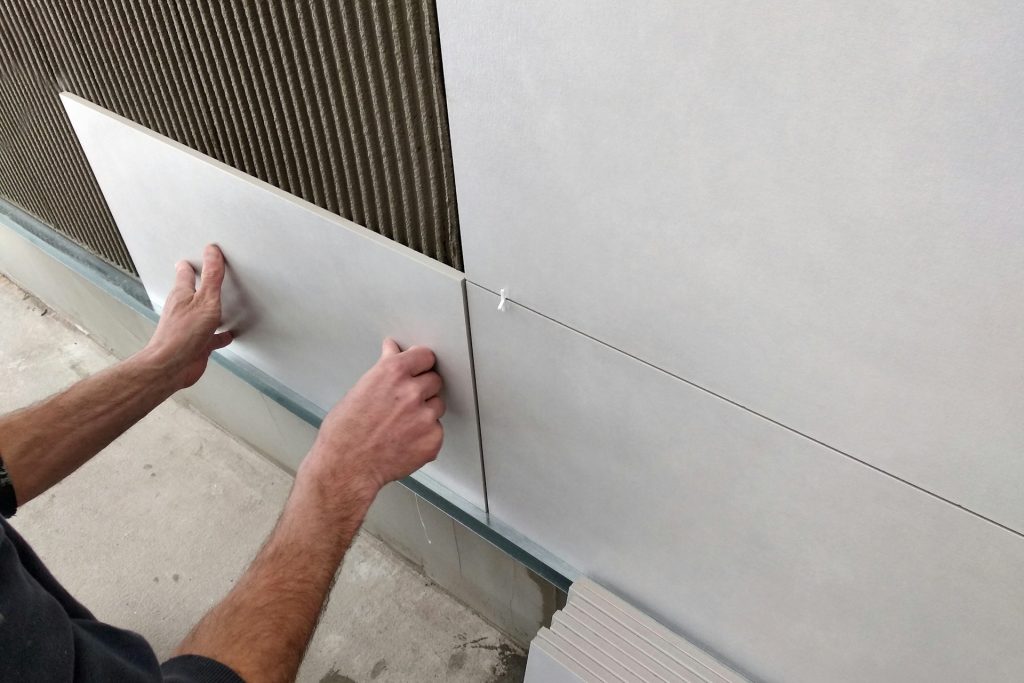
First, cut out any damaged sections of the drywall. Use the utility knife to remove any areas that are waterlogged or starting to crumble. Once you’ve removed the affected sections, place new drywall patches and secure them into place. Use a joint compound to cover the seams and ensure it blends well with the existing wall. Before painting, make sure the surface is smooth by lightly sanding the joint compound.
Completion of each step with care leads to a smoother wall and a less noticeable repair. It’s about taking your time with each part of the repair process to achieve the best results. Repairing might seem like a big job, but breaking it into smaller tasks makes it more manageable.
Preventive Measures for the Future
Stopping water damage before it starts is a wise approach for any homeowner. A few proactive steps can make a big difference:
1. Seal Gaps and Cracks: Regularly check for and seal any gaps in tiles and walls.
2. Maintain Plumbing: Keep tabs on the plumbing system, repairing any leaks promptly.
3. Ventilation: Use exhaust fans during and after showers to lower humidity levels.
Also, doing periodic checks around the bathroom keeps you aware of any changes that might suggest a leak or excess moisture. By maintaining good habits now, you reduce the risk of facing major repairs later.
Keeping Your Newton Bathroom Dry and Beautiful
Maintaining your bathroom involves both careful observation and proactive actions. Early detection allows for straightforward repairs, keeping costs down and stress manageable. Whether for assessing the problem, controlling immediate damage, or performing repairs, each step aims to preserve your bathroom’s function and style.
Taking preventative steps not only lowers the chances of future mishaps but also adds to the longevity of your bathroom. And, when it feels overwhelming, professional help is always a smart option for addressing more significant issues. Keeping your bathroom in top shape means you enjoy a safe, dry, and inviting space for years to come.
Don’t let drywall water damage disrupt life at home. FreshCo is here to help protect your bathroom with trusted support and repair options. Learn how our water damage remediation services can restore your space and prevent future issues.