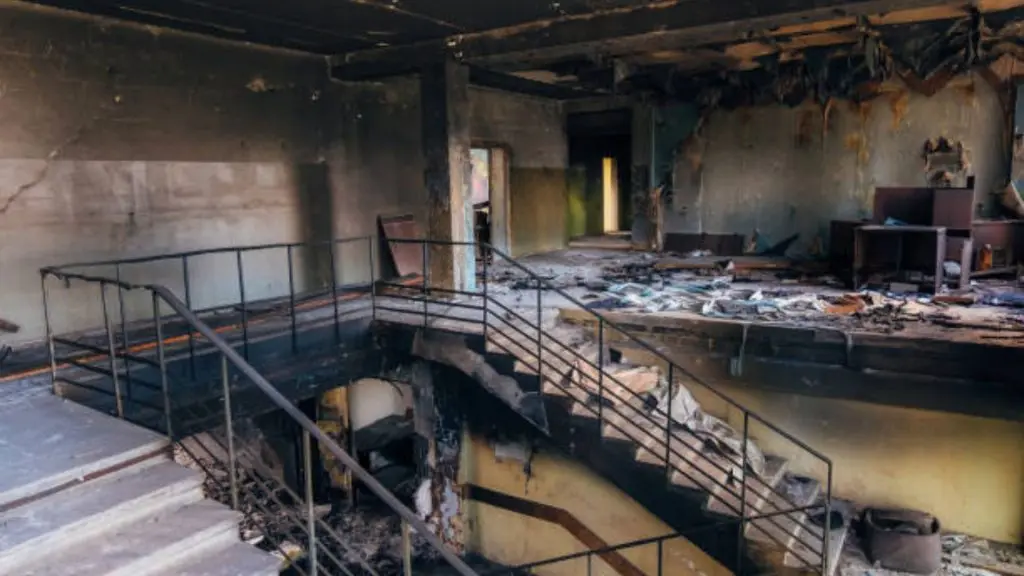


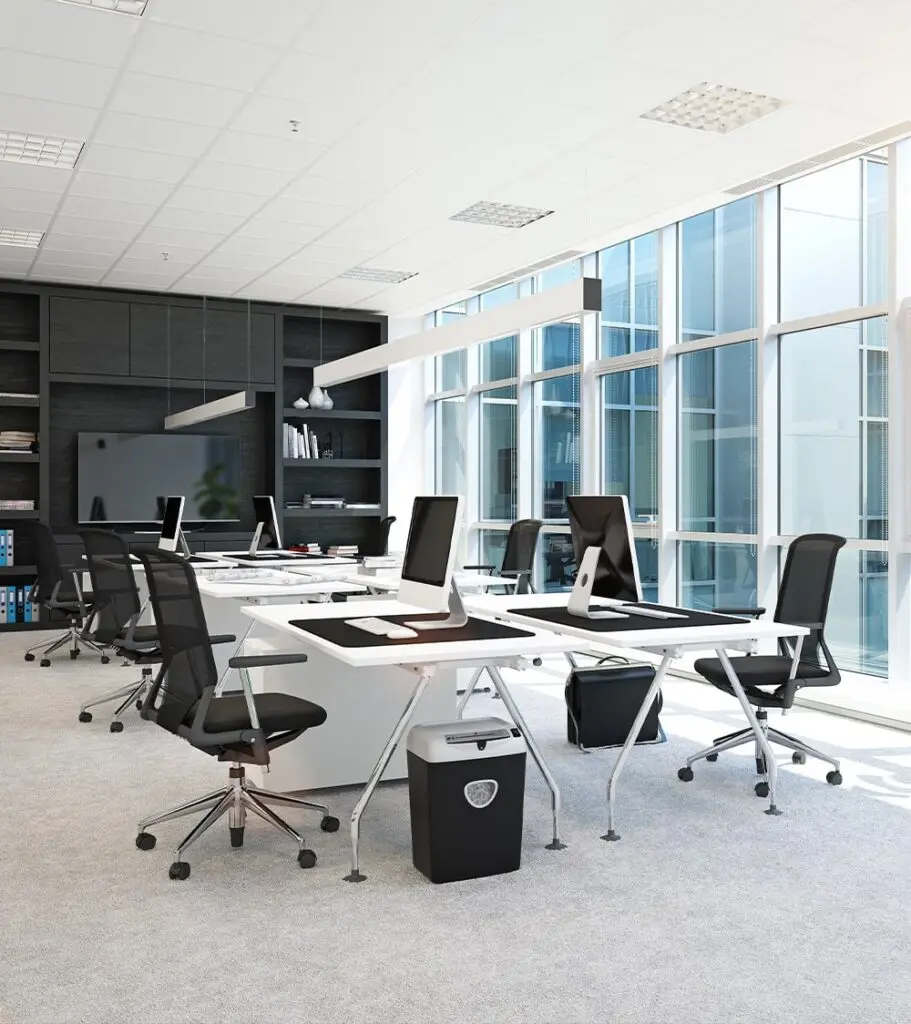



An office with clean air feels different. Fewer dusty surfaces, fewer complaints about stuffy conference rooms, and HVAC equipment that does not have to fight its way through clogged ductwork. When the air handling system is carrying dust, pollen, and debris through every vent, the whole building feels it.
Commercial air duct cleaning in Salina, KS is one of the most overlooked ways to keep a workplace comfortable and productive. The ducts move conditioned air to every room, and whatever collects inside them gets recirculated day after day. Over time that buildup affects air quality, energy use, and the lifespan of the system.
This article explains what commercial duct cleaning covers, why indoor air quality matters in an office setting, the signs your ducts may need attention, and what to expect from the process. If your building’s vents or air quality have been on your mind, our team at FreshCo Cleaners can help you sort out the next step.
What Is Commercial Air Duct Cleaning?
Commercial air duct cleaning is the removal of dust, debris, and contaminants from the ductwork, registers, and air-handling components of a building’s HVAC system. The goal is cleaner airflow and a system that runs the way it was designed to.
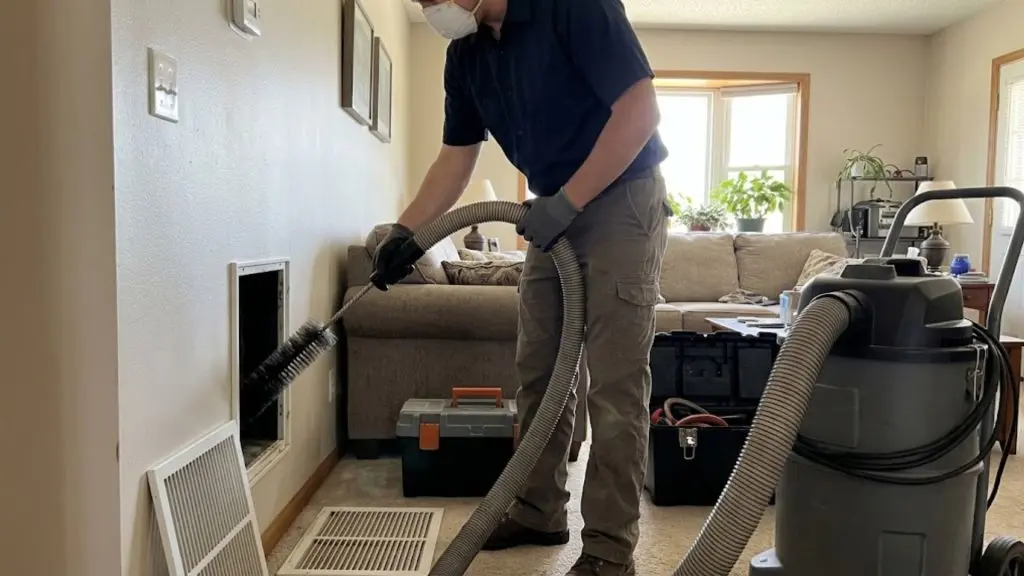
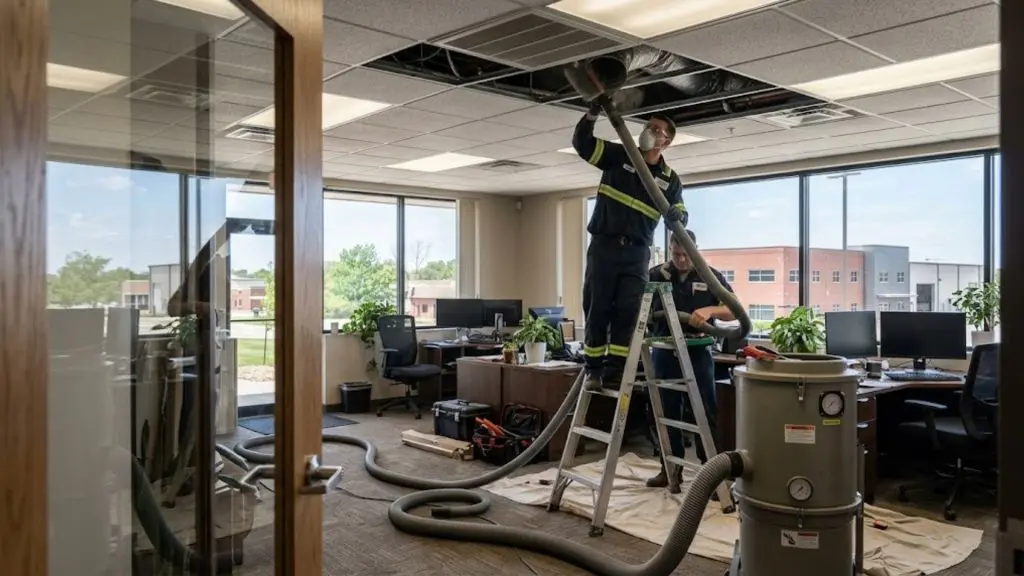
In a commercial setting, the ductwork is larger and more complex than what you find in a home. A single office building may have long runs of supply and return ducts feeding dozens of rooms, plus shared return plenums, diffusers, and air handlers. Cleaning these systems involves specialized equipment that can reach deep into the ducts and dislodge buildup without spreading it through the occupied space.
The work typically covers more than the ducts themselves. Supply and return vents, grilles, registers, and accessible parts of the air handler all collect debris and contribute to what circulates through the building. Addressing the full system, rather than just the visible vents, is what makes the difference in the air people actually breathe.
Why Indoor Air Quality Matters in Salina Offices
Most people spend the majority of their working hours indoors, so the air inside an office has a direct effect on comfort and well-being. Dust, pollen, and other particles that accumulate in ductwork get pushed back into workspaces every time the system runs. For employees who spend eight or more hours a day at their desks, that adds up.
Kansas weather plays a role here. Salina sees hot summers that keep air conditioning running for months, cold winters that rely heavily on forced-air heat, and a windy, open-plains environment that carries dust and seasonal pollen. The more a system runs, and the more airborne material there is to pull in, the faster ductwork collects buildup.
Poor indoor air quality can show up in small but persistent ways: stale-smelling rooms, visible dust returning quickly after cleaning, and general discomfort among staff. For employees with allergies or sensitivities, circulating dust and pollen can make the workday harder. Clean ductwork will not solve every air-quality issue on its own, but it removes one of the sources that recirculates problems through the building.
Signs Your Office Ductwork May Need Cleaning
Ducts are out of sight, so the signals that they need attention usually show up elsewhere in the building. Watching for these signs helps you schedule cleaning before buildup starts affecting air quality and system performance.
Before you assume everything is fine, look for the following indicators:
- Visible dust blowing from supply vents when the system kicks on
- Dust returning to desks and surfaces quickly after cleaning
- Musty, stale, or stuffy odors that linger in certain rooms
- Uneven airflow, with some rooms noticeably weaker than others
- Dust and debris building up around vent covers and registers
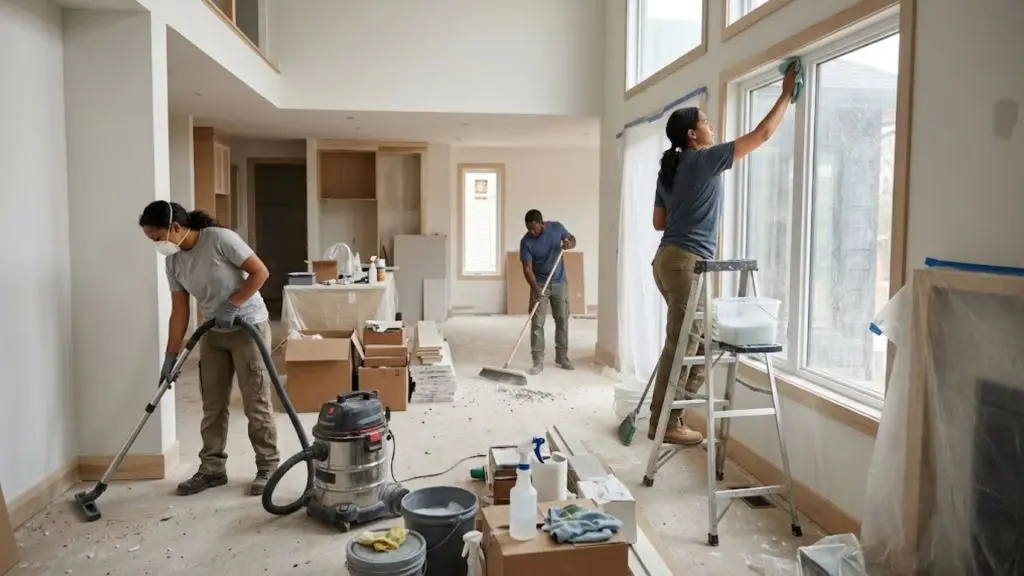
- A recent remodel, construction, or renovation that sent debris into the system
- Complaints from staff about stuffiness or worsening allergy symptoms indoors
None of these guarantees that a full cleaning is needed, but several of them together are a reasonable cue to have the ductwork inspected. A building that has recently gone through construction is a common case, since drywall dust and debris travel easily into open returns.
How Dirty Ducts Affect HVAC Performance
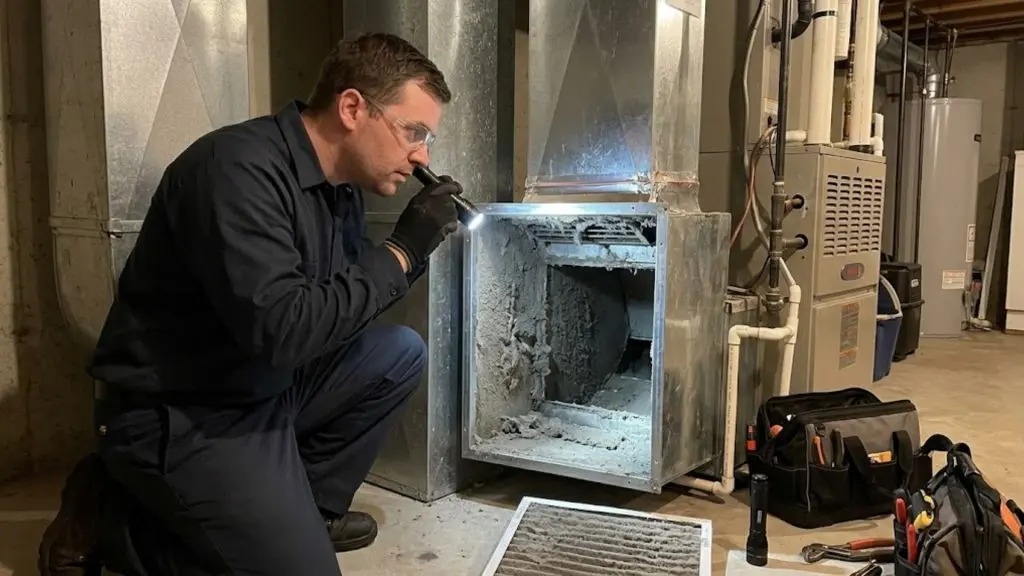
Dirty ducts make the HVAC system work harder. When dust and debris restrict airflow, the system has to run longer to reach the set temperature, which can raise energy use and put extra strain on components. Buildup is not only an air-quality issue; it is also a performance issue.
Restricted airflow forces fans and motors to push against resistance they were not meant to handle continuously. Clogged return paths and coated coils reduce efficiency, and the system may struggle to keep certain areas comfortable. In an office with rooms that never seem to reach the right temperature, the ductwork is worth checking.
There is also a maintenance angle. A system moving clean air through clear ducts generally faces less avoidable wear than one constantly fighting buildup. Keeping ductwork clean supports the other maintenance steps that protect HVAC equipment over its service life.
What the Commercial Duct Cleaning Process Involves
A thorough commercial cleaning follows a sequence designed to remove buildup without releasing it into the workspace. Understanding the general flow helps you know what to expect when you schedule service.
The process usually moves through these stages:
1. Inspection and assessment. The ductwork and air-handling components are evaluated to understand the system layout and the extent of buildup.
2. Setup and containment. Access points are prepared and the work area is managed so dislodged debris is captured rather than spread.
3. Agitation and dislodging. Specialized tools loosen dust and debris from the interior surfaces of the ducts.
4. Extraction. A vacuum collection system pulls the loosened material out of the ducts and away from the building.
5. Vents, registers, and accessible components. Grilles, diffusers, and reachable parts of the system are cleaned as part of the service.
6. Final check. The work is reviewed to confirm the system is clean and airflow is restored.
The exact approach depends on the size and design of the building’s system. Larger facilities with extensive ductwork take more time and planning than smaller suites. Our team walks through the specifics with you before any work begins so there are no surprises on the day of service.
How Often Should Commercial Ducts Be Cleaned?
There is no single schedule that fits every building, since the right frequency depends on how the space is used and what the system pulls in. Offices in dusty environments, buildings with heavy foot traffic, or facilities that have gone through renovation may need attention sooner than a low-traffic space.
A few factors influence timing:
- Occupancy and use. Busier buildings with more people and activity generate more airborne material.
- Local conditions. Salina’s wind-driven dust and seasonal pollen can accelerate buildup in return systems.
- Recent construction. Remodels and build-outs introduce debris that often warrants cleaning afterward.
- Air-quality concerns. Lingering odors, recurring dust, or staff complaints are practical signals to reassess.
Rather than guessing, it helps to have the system inspected and then set a cadence based on what is actually found. We can look at your building, explain the condition of the ductwork, and recommend a reasonable schedule for your situation.
How Duct Cleaning Fits With Other Commercial Cleaning Services
Duct cleaning works best as part of a broader approach to a healthy workplace, not as an isolated task. Dust that settles on surfaces, carpets that trap particles, and ductwork that recirculates debris are all connected parts of the same indoor environment.
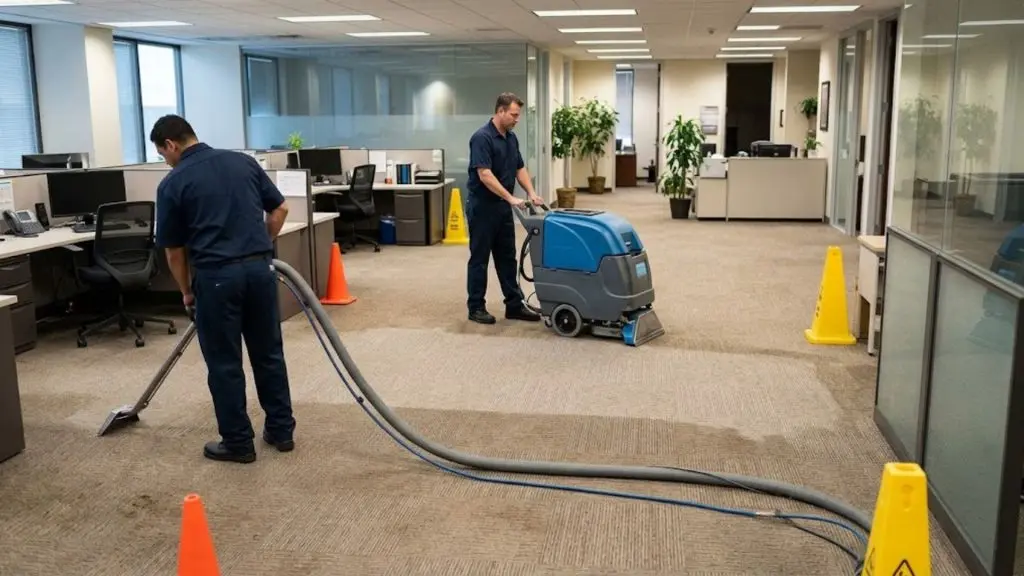
Many Salina offices pair duct cleaning with regular commercial cleaning to keep surfaces, floors, and shared spaces consistently clean. If carpets are holding dust and allergens, professional carpet cleaning can complement cleaner airflow so the whole space feels fresher. When a building has experienced water intrusion or lingering moisture, our restoration services address the underlying problem before it contributes to air-quality concerns.
Thinking about the office as a system, from the ductwork to the floors to any moisture issues, leads to better results than treating each problem in isolation. We can help you figure out which services make sense for your building and how they fit together.
Frequently Asked Questions
How Long Does Commercial Air Duct Cleaning Take?
It depends on the size and complexity of the system. A small office suite is far quicker than a large facility with extensive ductwork. After assessing your building, we can give you a realistic timeframe and plan the work to limit disruption to your staff.
Will Duct Cleaning Disrupt Our Workday?
In many cases the work can be scheduled to minimize disruption, including options outside of peak business hours depending on the building. Our team coordinates with you ahead of time so the cleaning fits around your operations as smoothly as possible.
Can Duct Cleaning Help With Office Allergy Complaints?
It can help by removing dust and pollen that the system recirculates, though it is not a cure-all. Allergy symptoms have many causes, but clean ductwork removes one source that otherwise keeps pushing particles back into workspaces throughout the day.
Is Commercial Duct Cleaning Different From Residential?
Yes. Commercial systems are typically larger and more complex, with longer duct runs, shared returns, and bigger air handlers. The cleaning requires equipment and planning suited to that scale, which is why commercial duct cleaning is handled differently from a home system.
Should We Clean Ducts After a Renovation?
Often, yes. Construction and remodeling send drywall dust and debris into the ductwork, which the system then circulates once it runs again. Cleaning after a build-out is a common reason offices schedule service, and we can inspect the system to confirm whether it is needed.
Final Thoughts on Commercial Air Duct Cleaning in Salina, KS
Clean ductwork is a practical part of keeping a Salina office comfortable, healthy, and running efficiently. Over time, dust, pollen, and debris collect in the system and get pushed back into the rooms where people work, which affects air quality and makes the HVAC equipment work harder than it should. Watching for warning signs and inspecting the system before buildup takes hold keeps small issues from growing.
If your vents are blowing dust, rooms smell stale, or your building recently went through construction, it is a good time to have the ducts looked at. Reach out to FreshCo Cleaners to discuss commercial air duct cleaning for your Salina office and keep the air your team breathes as clean as the space they work in.