














Preventing mold growth after a water intrusion requires a scientific approach to moisture removal that goes far beyond simply drying the surface of your carpets. In the Wichita area, where our seasonal humidity can spike and trapped moisture in basements is common, professional intervention is necessary to stop mold spores from colonizing within 24 to 48 hours. Experts utilize industrial-grade dehumidification, antimicrobial treatments, and precision moisture-tracking tools to ensure that every structural element, including wall studs and subfloors reaches a “certified dry” state. By engaging a certified team for water damage restoration in Wichita ks, you are ensuring that hidden pockets of dampness are eradicated before they can compromise your indoor air quality and property value.
How long does it take for mold to grow after water damage?
Mold can begin to grow on damp organic surfaces, such as drywall paper and wood, in as little as 24 to 48 hours after moisture exposure. Because mold spores are omnipresent in the environment, they only require a consistent moisture source and a food source to begin reproducing. In the Wichita climate, where summer storms can leave homes saturated, the window for effective prevention is extremely narrow.
Professional prevention steps include:
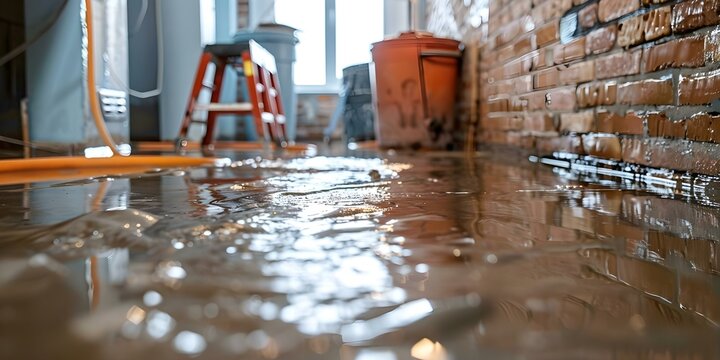
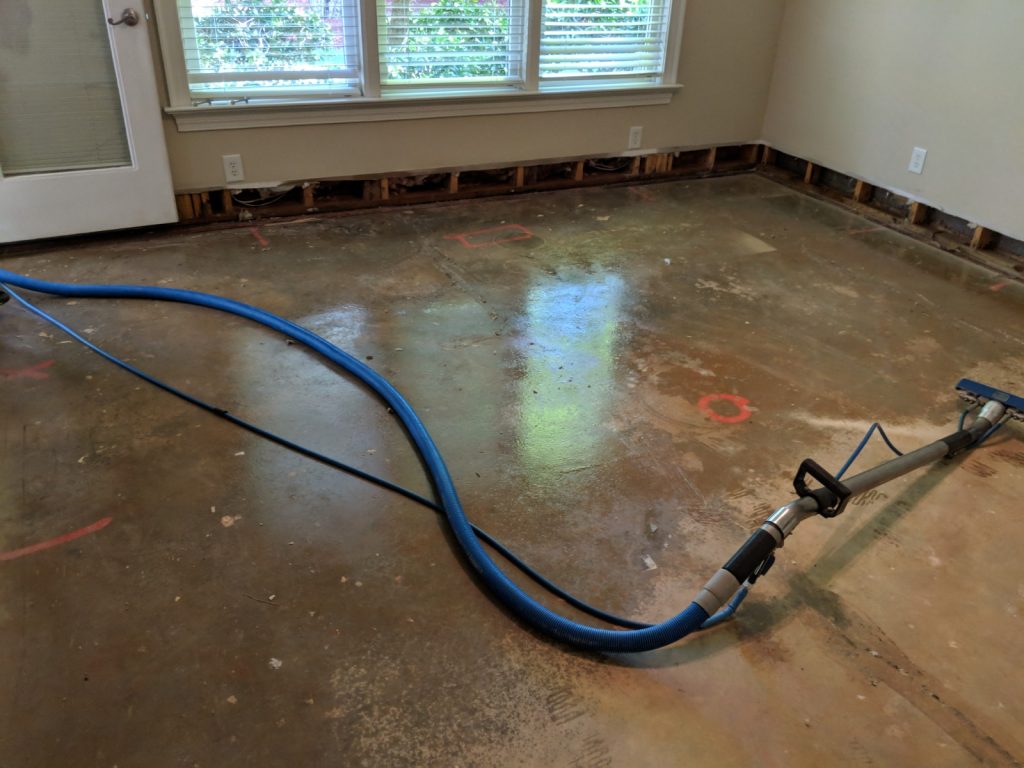
- Immediate Extraction: Removing standing water using truck-mounted vacuums to reduce the overall humidity load.
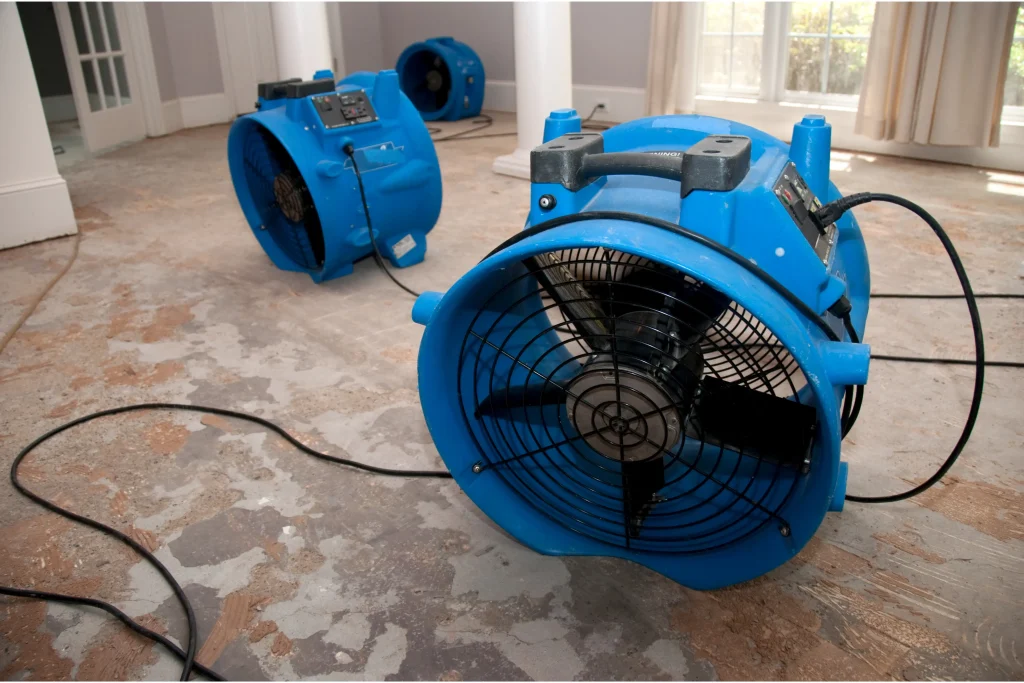
- Controlled Evaporation: Using high-velocity air movers to pull moisture out of porous materials and into the air.
- Dehumidification: Utilizing Low Grain Refrigerant (LGR) dehumidifiers to remove that moisture from the air and prevent secondary condensation.
- Temperature Management: Maintaining optimal indoor temperatures to maximize the efficiency of the drying equipment.
What are the most effective mold prevention after water damage Wichita techniques?
Restoration experts use a combination of physical moisture removal and chemical stabilization to prevent fungal outbreaks.The most effective water damage restoration wichita ks strategies involve the use of antimicrobial and biocide applications that inhibit mold growth on surfaces that are difficult to dry instantly. These professional-grade solutions are applied to floor joists, wall cavities, and concrete slabs to ensure that even if drying takes several days, the mold cannot take hold.
When dealing with complex structures in neighborhoods like College Hill or Riverside, technicians may also use “in-place” drying systems. These systems allow for moisture removal in Wichita KS without the need for extensive demolition of cabinets or hardwood floors. By injecting warm, dry air directly into wall cavities or under flooring, experts can achieve dry standards in half the time of traditional methods.
How do professionals track moisture to ensure mold won’t return?
The only way to guarantee mold prevention is to prove that the affected materials have returned to their normal dry baseline using calibrated moisture meters. Professionals do not rely on touch or sight; they use “dry standards” established by taking readings from unaffected areas of the home. This data-driven approach is essential for properties near landmarks like the Keeper of the Plains or the Arkansas River, where local water tables can influence how quickly a basement dries.
To maintain your home’s long-term health, it is important to have a documented drying plan. You can get a quote for a professional inspection that includes a full moisture map of your property to identify any lingering “wet spots” that could lead to rot.
What role does air filtration play in preventing mold spread?
During the drying process, mold spores and other particulates can become airborne, posing a risk of cross-contamination to unaffected rooms. Experts use HEPA (High-Efficiency Particulate Air) air scrubbers to continuously filter the air in the work zone. This creates a “negative air” environment that prevents spores from traveling through the HVAC system or under doorways to other parts of your Wichita home.
This specialized equipment is a hallmark of high-quality water mitigation services Wichita KS providers. By scrubbing the air 24/7 during the project, technicians ensure that the indoor air remains safe for the occupants, even if minor mold colonization has already begun in a hidden area.
Why is basement drying different in South-Central Kansas?
The clay-heavy soil surrounding Wichita foundations holds significant moisture, which creates hydrostatic pressure against basement walls. When a basement floods, the water often saturates the concrete blocks or poured concrete, which are much more porous than they appear. Professionals must use specialized dehumidification to pull moisture out of these dense materials over several days.
| Restoration Phase | Goal of Phase | Primary Tool Used |
| Emergency Extraction | Remove bulk liquid | Truck-mounted pumps |
| Stabilization | Prevent mold colonization | Antimicrobial spray |
| Structural Drying | Pull moisture from wood/drywall | LGR Dehumidifiers |
| Verification | Prove materials are dry | Thermo-hygrometers |
| Final Sanitization | Ensure safe air quality | HEPA Air Scrubbers |
Can you prevent mold in a crawlspace after a flood?
Crawlspaces are particularly vulnerable to mold because they often lack proper ventilation and have dirt floors that retain moisture for long periods. Preventing mold in these areas requires a full extraction of any standing water followed by the installation of a high-capacity dehumidifier. In many older Wichita properties, a crawlspace flood may require the removal of wet fiberglass insulation, which acts like a sponge and cannot be effectively dried once saturated.
Ensuring your crawlspace is properly sealed and dried is a critical step in home maintenance. You can get a quote for crawlspace encapsulation and professional drying to prevent the “stack effect” from pulling musty, mold-laden air into your upstairs living areas.
What is the difference between “dry” and “certified dry”?
A surface may feel dry to the human hand but still contain enough internal moisture to support mold growth. “Certified dry” means that a professional has used a moisture probe to verify that the core of the material has reached a moisture content level (usually below 12-15% for wood) that is incompatible with fungal life. This scientific verification is the final step in any reputable water damage restoration wichita ks project.
Failing to reach these specific moisture levels can lead to:
- Warping of hardwood floors weeks after the event.
- Peeling paint or bubbling wallpaper on interior walls.
- Structural decay of the bottom plates of wall frames.
- Permanent musty odors that lower the resale value of your home.
How does humidity control prevent secondary water damage?
Secondary water damage occurs when high humidity in a room causes moisture to condense on cool surfaces like windows, metal pipes, or unaffected drywall. This “atmospheric moisture” can cause mold to grow in parts of the house that were never actually touched by the initial flood. Experts prevent this by strictly controlling the relative humidity (RH) of the air, keeping it below 40% throughout the drying cycle.
Maintaining this balance is difficult during the humid Kansas summer months. You can get a quote for industrial climate control services that manage both temperature and humidity to protect your furniture, electronics, and clothing from secondary damage.
Frequently Asked Questions
Is it safe to stay in my house during mold prevention?
If the affected area is small and can be contained with plastic barriers and air scrubbers, it is often safe. However, if the project requires the drying of multiple rooms or if someone in the home has a compromised respiratory system, temporary relocation is recommended.
Do I need to throw away my wet carpet to prevent mold?
Not necessarily. If the water is “Category 1” (clean water from a pipe) and mitigation starts within 24 hours, the carpet and pad can often be saved. If the water is contaminated or has sat for more than 48 hours, the padding must usually be replaced.
What are the main moisture removal Wichita KS challenges?
The main challenges involve the high humidity levels in our region and the variety of building materials found in historic neighborhoods versus modern suburban developments in areas like Maize or Derby.
Can I just use bleach to kill mold?
Bleach is generally not recommended for porous materials like wood or drywall. While it kills surface mold, the water in the bleach can soak into the material and feed the mold roots (hyphae) that are deeper inside, leading to a quick return of the growth.
How do I know if the restoration company did a good job?
A reputable company will provide you with a “drying log” that shows the daily moisture readings for every affected room. They should be able to prove that the “dry goal” was reached for all materials before they removed their equipment.
Conclusion
Preventing mold growth is a race against time that requires technical expertise and the right industrial tools. For homeowners in the Wichita area, from the business districts near Old Town to the quiet suburbs of Bel Aire, understanding the science of drying is key to protecting your property. By prioritizing rapid extraction and professional water damage restoration in wichita ks, you ensure that your home remains a safe and healthy environment for your family.
When you are facing the aftermath of a flood or a plumbing failure, the quality of the response matters as much as the speed. You should get a quote from a provider who understands the specific environmental needs of our local community.
At Freshco, we are dedicated to providing the highest level of mold prevention and restoration services to our Wichita neighbors. As a trusted local service provider, we use advanced moisture-tracking technology and IICRC-certified methods to resolve your water issues completely. Freshco is your solution for ensuring that a temporary water problem does not become a permanent mold disaster.